

Neonatal Jaundice in Newborns: Causes, Symptoms, Treatment & When It’s Serious

You bring your baby home, and within a day or two you notice something: the skin looks a little yellow. The whites of the eyes seem tinged. Your instinct says something is not right — but everyone around you says it is normal.

They are probably correct. But “probably” is not reassuring when it is your newborn.

Neonatal jaundice — yellowing of the skin and eyes in newborns — is the most common condition requiring medical attention in the first week of life, affecting between 60 and 80% of all babies born at full term, and an even higher proportion of premature infants. In most cases it resolves on its own within two to three weeks. In some cases, it does not — and the consequences of missing that distinction are serious.

Here is everything you need to know as a parent.

What Causes Jaundice in Newborns?

The cause is a substance called bilirubin — a yellow pigment produced when red blood cells break down. In adults and older children, the liver processes bilirubin efficiently. In newborns, the liver is immature and cannot keep up with the volume of bilirubin being produced, particularly in the first few days after birth when red blood cell turnover is at its highest. Bilirubin accumulates in the blood and deposits in the skin and eye tissue, causing the characteristic yellow tinge.

Most Common Causes of Jaundice in Babies

Physiological jaundice — the most common type. It is a normal, expected consequence of the newborn’s immature liver. It typically appears between day 2 and day 4 of life, peaks around day 4–5, and resolves by 2 weeks in full-term babies (up to 3 weeks in premature infants).

Breastfeeding jaundice — occurs in the first week when a baby is not feeding frequently or effectively enough, leading to mild dehydration and reduced bilirubin excretion through stool. More feeds = more stool = faster bilirubin clearance.

Breast milk jaundice — a less common, distinct condition where certain substances in breast milk interfere with bilirubin processing. It appears in the second week and can persist for 3–12 weeks, but is almost always harmless and not a reason to stop breastfeeding.

Blood group incompatibility (ABO or Rh incompatibility) — when the mother’s and baby’s blood groups are incompatible, maternal antibodies can cross the placenta and cause accelerated breakdown of the baby’s red blood cells, producing excess bilirubin. This is a more serious form and often appears within 24 hours of birth.

Prematurity — premature babies are at higher risk because their liver is even less mature. Jaundice in premature babies tends to be more severe and longer-lasting.

Other causes — include infection, enzyme deficiencies (such as G6PD deficiency, which is notably common in India), internal bleeding (cephalhaematoma), and rarely, liver or bile duct abnormalities.

Symptoms of Neonatal Jaundice: What to Look For

The most visible sign is newborn yellow skin — a yellowing that typically starts at the face and moves downward to the chest, abdomen, and legs as bilirubin levels rise. In darker-skinned babies, jaundice may be easier to see by pressing gently on the skin and looking for the underlying colour.

Signs of neonatal jaundice symptoms to monitor:

  • Yellow skin — starting from the face, spreading downward
  • Yellow tinge in the whites of the eyes (sclera)
  • Baby appears sleepy and difficult to wake for feeds
  • Poor feeding or weak suckling
  • High-pitched cry (a warning sign — see below)
  • Dark-coloured urine (should be pale/colourless in newborns)
  • Pale or chalky stools (suggests bile duct problem — seek immediate attention)

A practical test: In natural light (not yellow indoor lighting, which can mask or exaggerate colour), press a fingertip gently on the tip of the nose or forehead. If the skin appears yellow when you release, jaundice is present.

Types of Jaundice: Physiological vs Pathological

Feature

Physiological Jaundice Pathological Jaundice
When it appears Day 2–4 after birth

Within first 24 hours of birth

Cause

Immature liver Blood incompatibility, infection, G6PD deficiency
Severity Usually mild

Can be severe and rapidly rising

Duration

Resolves by 2 weeks Requires active treatment
Treatment needed Rarely (monitoring, feeding support)

Often requires phototherapy or more

Key rule of thumb: Jaundice appearing within 24 hours of birth is pathological until proven otherwise. Always requires immediate medical evaluation.

Newborn Jaundice Treatment: How Is It Managed?

Treatment depends on the baby’s bilirubin levels (measured by a blood test or a transcutaneous bilirubinometer), gestational age, and age in days.

Feeding Support

For mild jaundice, the first intervention is increasing feeding frequency — at least 8–12 feeds per day for breastfed babies. Frequent feeding increases gut motility, which accelerates bilirubin excretion through stool. This alone resolves the majority of physiological jaundice cases.

Phototherapy for Jaundice

Phototherapy is the standard medical treatment when bilirubin levels cross a threshold. The baby is placed under blue-spectrum lights (wavelength 400–520 nm) that convert bilirubin in the skin into a water-soluble form that can be excreted through urine and bile — without going through the liver.

The baby’s eyes are covered during treatment to protect the retinas. Phototherapy is safe, effective, and typically reduces bilirubin levels within 24–48 hours. The 2022 updated AAP guidelines refined thresholds for initiating phototherapy, reducing unnecessary overtreatment while ensuring babies at genuine risk are treated promptly.

Short-term side effects — skin rashes, mild dehydration, and temperature changes — are manageable with good nursing care and frequent feeding.

Exchange Transfusion

Reserved for severe cases where bilirubin levels are dangerously high despite phototherapy, or where the rate of rise is very rapid. The baby’s blood is slowly replaced with donor blood to rapidly reduce bilirubin. This is a hospital-based procedure and is now rarely required with timely phototherapy intervention.

When Neonatal Jaundice Becomes Serious: Kernicterus

This is the section every parent needs to read carefully.

When bilirubin levels rise to an extreme level and cross the blood-brain barrier, they can damage brain cells — a condition called kernicterus (also called bilirubin encephalopathy). Kernicterus is preventable with timely treatment. Once it occurs, the damage is permanent.

Warning signs that require immediate emergency medical attention:

  • Jaundice appearing within the first 24 hours of life
  • Jaundice that is spreading rapidly to the legs and soles of the feet
  • Baby is extremely difficult to wake or appears limp
  • High-pitched, unusual crying
  • Baby arches the back or neck (opisthotonus)
  • Seizures

If your baby shows any of these signs, go to the nearest hospital immediately — do not wait for a scheduled appointment.

When to See a Doctor for Newborn Jaundice

You should consult a doctor — not just wait and watch — if:

  • Jaundice appears within the first 24 hours of birth
  • Jaundice has not faded by 2 weeks (in full-term babies) or 3 weeks (in premature babies)
  • Bilirubin levels are not falling with feeding and monitoring
  • Your baby is feeding poorly, difficult to wake, or unusually irritable
  • You notice the danger signs listed above

Do not rely on visual assessment alone for treatment decisions. Bilirubin levels must be measured — either through a blood test or a non-invasive skin meter — to guide management.

Neonatal Care in Malad West, Mumbai

Dr. Shernaz Damkevala (Dastur) provides dedicated neonatal care for newborns and their families at Ahura Nursing Home, Malad West — including assessment and management of neonatal jaundice, feeding support, and post-discharge monitoring for babies at risk of prolonged or recurrent jaundice.

If you are currently pregnant and have a blood group incompatibility or a previous baby with significant jaundice, a pre-birth discussion can help you understand the plan for your newborn from day one. Explore maternity care services for comprehensive antenatal and postnatal support.

For parents whose baby spent time in the NICU, understand the different levels of neonatal care and what follow-up looks like after discharge.

📍 P4, Ahura Nursing Home, Chunilal Giridharilal Marg, Malad West, Mumbai – 400064 📞 Book an Appointment

Also read: Gynaecology Services | Fertility Care | PCOS/PMOS Management

FAQs 

Q1. Is jaundice in newborns normal?

A: Yes, in most cases. Physiological jaundice affects 60–80% of newborns and resolves within 2 weeks. However, jaundice appearing within 24 hours of birth, or worsening rapidly, is not normal and requires immediate evaluation.

Q2. What causes neonatal jaundice?

A: The primary cause is an immature liver that cannot process bilirubin fast enough. Other causes include blood group incompatibility, breastfeeding-related issues, G6PD enzyme deficiency, and infection.

Q3. When does newborn jaundice appear and how long does it last?

A: Physiological jaundice typically appears on day 2–4 and resolves by 2 weeks in full-term babies. In premature babies, it may last up to 3 weeks. Jaundice appearing within 24 hours is a warning sign.

Q4. What is the treatment for jaundice in newborns?

A: Mild jaundice is managed with frequent feeding. When bilirubin levels are elevated, phototherapy (blue-spectrum light treatment) is used to break down bilirubin safely. Severe cases may require exchange transfusion.

Q5. What is phototherapy for newborn jaundice?

A: Phototherapy exposes the baby’s skin to blue-spectrum light that converts bilirubin into a form the body can excrete through urine and bile. It is safe, effective, and the standard first-line treatment for elevated bilirubin.

Q6. What is kernicterus?

A: Kernicterus is brain damage caused by extremely high bilirubin levels that cross the blood-brain barrier. It is preventable with timely treatment but permanent once it occurs. Early intervention is critical.

Q7. Does breastfeeding cause jaundice?

A: Infrequent or ineffective breastfeeding in the first week can worsen physiological jaundice. Breast milk jaundice — a separate condition — can cause mild, prolonged jaundice into the second or third week but is generally harmless and not a reason to stop breastfeeding.

Q8. Should I stop breastfeeding if my baby has jaundice?

A: In most cases, no. Stopping breastfeeding is rarely necessary and is generally not recommended. Increasing feeding frequency is usually more beneficial. Always consult your doctor before making any change.

Q9. What are the danger signs of jaundice in newborns?

A: Emergency signs include jaundice within 24 hours of birth, extreme sleepiness or limpness, high-pitched crying, arching of the back or neck, and seizures. These require immediate hospital attention.

CITATIONS & REFERENCES

  1. American Academy of Pediatrics — Clinical Practice Guideline Revision: Management of Hyperbilirubinemia in the Newborn Infant 35 or More Weeks of Gestation (2022) — https://publications.aap.org/pediatrics/article/150/3/e2022058859/188726/ 
  2. Mayo Clinic Health System — Newborn Jaundice and Light Therapy (updated May 2026) — https://www.mayoclinichealthsystem.org/hometown-health/speaking-of-health/newborn-jaundice-and-light-therapy
  3. Kumar VS et al. — Impact of the 2022 AAP Hyperbilirubinemia Guideline on Phototherapy Utilization in a Resource-Limited Setting in India — Cureus, November 2025 — https://www.ncbi.nlm.nih.gov/pmc/articles/PMC12742236/
  4. Dong Q, Huang F — Optimizing Nursing Care in Phototherapy to Improve Treatment Outcomes in Neonatal Jaundice Management — Frontiers in Pediatrics, December 2025 — https://www.ncbi.nlm.nih.gov/pmc/articles/PMC12753984/
  5. PACE Hospitals — Phototherapy Treatment for Newborn Jaundice — https://www.pacehospital.com/phototherapy-for-newborn-jaundice
  6. WHO — Newborn health: Jaundice — https://www.who.int/news-room/fact-sheets/detail/newborns-reducing-mortality
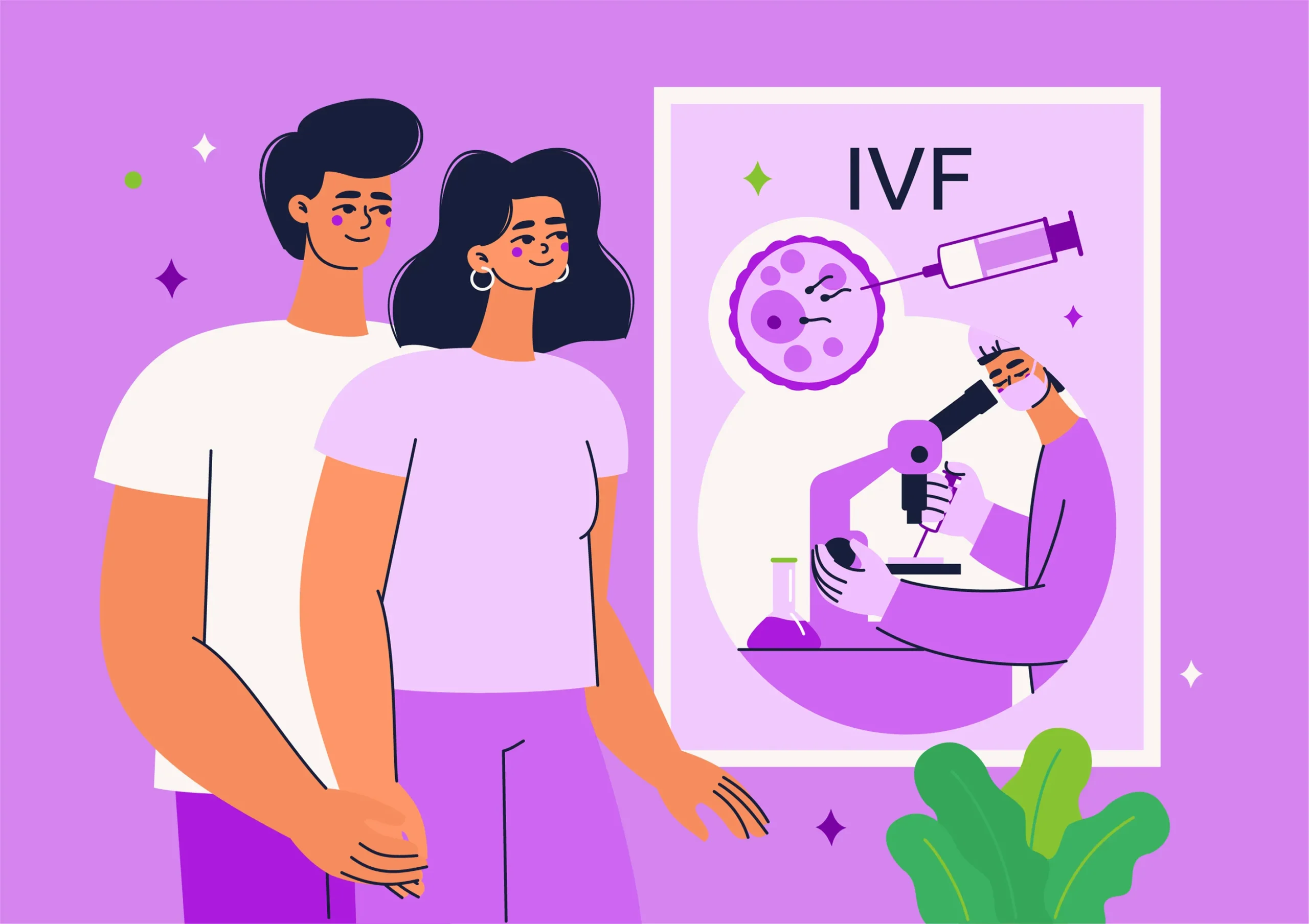

IVF Explained: A Step-by-Step Guide for First-Time Patients

Deciding to explore IVF is rarely a simple moment. It usually comes after months — sometimes years — of trying, testing, and searching for answers. If you are here, you likely already know something is making conception difficult, and you want to understand what IVF treatment actually involves before you walk into a clinic.

This guide explains the IVF process step by step in plain language — no jargon, no false promises. Just a clear picture of what happens at each stage, what it costs, and what the numbers honestly say about success.

What Is IVF?

In vitro fertilization (IVF) is a fertility treatment in which eggs are retrieved from the ovaries, fertilised with sperm in a laboratory, and the resulting embryo is transferred into the uterus. The phrase “in vitro” is Latin for “in glass” — a reference to the lab environment where fertilisation takes place outside the body.

A typical IVF cycle takes 4 to 6 weeks from the first injection to the pregnancy test.

Who Needs IVF?

IVF is recommended when simpler treatments like timed intercourse or IUI (intrauterine insemination) have not worked, or when the clinical picture makes them unlikely to succeed. Common reasons include:

  • Blocked or damaged fallopian tubes — eggs cannot travel to the uterus naturally
  • Male factor infertility — low sperm count, poor motility, or abnormal morphology
  • Endometriosis — which can affect egg quality and tubal function
  • Unexplained infertility — where no single cause has been identified after investigation
  • PCOS/PMOS — particularly when ovulation induction has not resulted in pregnancy
  • Age-related decline in ovarian reserve — where time is a factor
  • Genetic conditions — where preimplantation genetic testing (PGT) is needed before transfer

IVF is not always the first step — a thorough fertility evaluation determines whether simpler options are worth trying first. Explore fertility consultation services at Dr. Shernaz’s clinic to understand your specific situation.

The IVF Process Step by Step

Step 1: Initial Consultation & Fertility Assessment

Before any treatment begins, both partners undergo a comprehensive baseline assessment:

  • For women: AMH (anti-Müllerian hormone) levels, antral follicle count (AFC) via transvaginal ultrasound, day 2/3 hormonal panel (FSH, LH, estradiol), thyroid function, and uterine assessment
  • For men: Semen analysis — sperm count, motility, morphology
  • Additional tests: Infectious disease screening, genetic screening if indicated

This phase determines the most appropriate IVF protocol for your specific situation and gives the treating doctor a clear starting baseline. Skipping or rushing this stage is one of the most common reasons for suboptimal outcomes.

Step 2: Ovarian Stimulation (Days 1–12 of Cycle)

This is where the active treatment phase begins. You receive daily hormone injections — typically gonadotropins (FSH and LH) — to stimulate the ovaries to develop multiple follicles simultaneously. Under natural conditions, one egg matures per cycle. The goal of ovarian stimulation is to produce 8–15 mature eggs in a single cycle, improving the chances that at least one viable embryo results.

During this 10–14 day phase, you will visit the clinic every 2–3 days for:

  • Transvaginal ultrasound to monitor follicle size and count
  • Blood tests to check estradiol levels and adjust medication dose if needed

When the leading follicles reach the target size (typically 18–20mm), a trigger injection (hCG or GnRH agonist) is administered to complete egg maturation.

Step 3: Egg Retrieval (Ovum Pick-Up)

Approximately 36 hours after the trigger shot, eggs are retrieved through a minor surgical procedure called ovum pick-up (OPU) or egg retrieval. Performed under sedation (you will not feel pain), a thin needle is guided transvaginally under ultrasound to aspirate the fluid from each follicle. The procedure typically takes 20–30 minutes. You go home the same day with mild rest advised.

The retrieved eggs are immediately handed to the embryologist in the IVF laboratory.

Step 4: Fertilisation & Embryo Culture (Days 1–5 Post-Retrieval)

In the lab, mature eggs are fertilised in one of two ways:

  • Conventional IVF — eggs and sperm are placed together in a culture dish and fertilisation occurs naturally
  • ICSI (Intracytoplasmic Sperm Injection) — a single sperm is injected directly into each egg; used when sperm parameters are poor or previous fertilisation failure has occurred. IVF with ICSI is now standard practice in most Indian clinics.

Fertilised eggs (now embryos) are cultured in incubators for 3–5 days. By day 5, the best-quality embryos reach the blastocyst stage — the most developed, viable form for transfer.

The embryologist grades embryos based on morphology. Not all retrieved eggs become fertilised, and not all fertilised eggs become blastocysts — this natural attrition is expected and normal.

Step 5: Embryo Transfer

The embryo transfer is a relatively simple, pain-free procedure — no sedation is required. A thin catheter is passed through the cervix into the uterus, and one (or sometimes two) embryos are placed at the optimal position in the uterine cavity. The process takes under 10 minutes.

Fresh transfer — done in the same cycle, 3–5 days after egg retrieval. Frozen embryo transfer (FET) — embryos are cryopreserved and transferred in a subsequent, hormonally prepared cycle. FET is increasingly preferred as it allows the uterine lining to recover from stimulation, often improving implantation rates.

You will be prescribed progesterone support (pessaries or injections) following transfer to support implantation.

Step 6: The Two-Week Wait & Pregnancy Test

Fourteen days after embryo transfer, a blood test measuring beta-hCG levels confirms whether implantation has occurred. This period — often called the “two-week wait” — is emotionally one of the most challenging parts of the IVF journey. Support from your partner, family, or a counsellor during this phase is genuinely valuable.

A positive beta-hCG is followed by serial tests and an early viability ultrasound at approximately 6–7 weeks.

IVF Cost in India: What to Budget

IVF cost in India varies based on the city, clinic, protocol, and whether add-ons (ICSI, PGT, embryo freezing) are required.

Component

Approximate Cost (INR)
Initial consultation & investigations

₹15,000 – ₹25,000

Ovarian stimulation medications

₹30,000 – ₹80,000
Egg retrieval procedure

₹20,000 – ₹40,000

Lab fees (fertilisation + embryo culture)

₹30,000 – ₹60,000

Embryo transfer

₹15,000 – ₹30,000

Basic IVF cycle total (Mumbai metro)

₹1,50,000 – ₹2,50,000

With ICSI add-on

+₹15,000 – ₹30,000

With embryo freezing (vitrification)

+₹15,000 – ₹25,000

Frozen embryo transfer (FET) cycle

₹50,000 – ₹90,000

Full cycle with add-ons

₹2,50,000 – ₹4,50,000

Most fertility specialists recommend planning for 2–3 cycles, as cumulative success rates rise significantly with multiple attempts.

IVF Success Rate in India: Honest Numbers

The IVF success rate in India (measured as live birth rate per cycle) varies considerably by age:

Age at IVF

Live Birth Rate Per Cycle
Under 35

40–55%

35–37

30–40%
38–40

20–30%

40–42

10–20%
Over 42

Under 10% (own eggs)

With donor eggs, success rates improve significantly regardless of the recipient’s age, often reaching 60–70%.

Across 2–3 cycles, cumulative success rates for women under 35 can reach 70–80%. Clinic quality, embryology lab standards, and the experience of the reproductive specialist are all significant variables.

What Makes a Good IVF Outcome?

Beyond age, the factors most predictive of IVF success include:

  • Ovarian reserve (AMH and AFC)
  • Embryo quality — grading and blastocyst development
  • Uterine receptivity — thickness and pattern of the endometrial lining
  • Sperm quality — especially DNA fragmentation levels
  • Lifestyle factors — weight, smoking, alcohol, and stress all demonstrably affect outcomes

An honest pre-cycle conversation with your doctor about these factors gives you a realistic expectation — which matters as much as any clinical parameter.

Starting Your IVF Journey in Mumbai

IVF treatment in India is among the most affordable in the world — 60–70% less than equivalent treatment in the US or UK — with leading clinics in Mumbai offering internationally comparable lab standards and outcomes.

If you are considering IVF for the first time — or have had a failed cycle elsewhere and want a second opinion — Dr. Shernaz Damkevala (Dastur) provides fertility consultation and gynaecological care at Ahura Nursing Home, Malad West, Mumbai, including guidance on whether IVF is the right next step for your situation.

For those managing conditions like endometriosis or PCOS/PMOS alongside fertility concerns, an integrated approach often improves IVF outcomes.

FAQs

Q1. How long does one IVF cycle take?

A: A full IVF cycle — from the first injection to the pregnancy test — takes approximately 4 to 6 weeks.

Q2. How much does IVF cost in India in 2026?

A: A basic IVF cycle in Mumbai costs ₹1.5 to ₹2.5 lakhs. With add-ons like ICSI and embryo freezing, the total per cycle can reach ₹3.5 to ₹4.5 lakhs.

Q3. What is the IVF success rate in India?

A: For women under 35, the live birth rate per cycle is 40–55%. Success declines with age. Cumulative rates across 2–3 cycles can reach 70–80% for women under 35.

Q4. Is the egg retrieval procedure painful?

A: No. It is performed under sedation. You may feel mild bloating or cramping afterwards, which typically resolves within 1–2 days.

Q5. What is the difference between IVF and ICSI?

A: In standard IVF, eggs and sperm are placed together in a dish. In ICSI, a single sperm is injected directly into each egg. ICSI is used when sperm quality is poor or when previous IVF fertilisation failed.

Q6. What is a frozen embryo transfer (FET)?

A: FET is when embryos from a previous cycle are thawed and transferred in a separate, hormonally prepared cycle. It is often preferred over a fresh transfer as it allows the uterine lining to recover after stimulation.

Q7. How many eggs are needed for a successful IVF cycle?

A: Retrieving 8–15 mature eggs per cycle is the typical goal. Not all eggs fertilise and not all fertilised eggs develop to blastocysts, so more eggs at retrieval generally improve overall chances.

Q8. Can I do IVF if I have PCOS or endometriosis?

A: Yes. Both conditions are common reasons for IVF referral. The stimulation protocol may need to be adjusted (particularly for PCOS to reduce the risk of hyperstimulation), but IVF can be highly effective for both.

Q9. What is the age limit for IVF in India?

A: Under the ART (Regulation) Act 2021, the upper age limit for IVF using own eggs is 50 years for women. However, clinically, outcomes with own eggs decline significantly after 40.

CITATIONS & REFERENCES

  1. FertilityNetwork India — IVF in India: Process, Cost, Success Rate (updated April 2026) — https://www.fertilitynetwork.in/treatments/ivf
  2. HomeIVF — IVF in India: Process, Cost, Success Rate (updated June 2026) — https://homeivf.com/treatments/ivf
  3. Cloudnine Fertility — IVF Treatment in India: How Much Does It Cost? (updated 2026) — https://www.cloudninefertility.com/blog/ivf-treatment-in-india-how-much-does-it-cost
  4. RISAA IVF — IVF Cost in India 2026 — https://drritabakshi.in/ivf-cost-in-india/
  5. Srishti Fertility — IVF Success Rate by Age in India 2026 — https://srishtifertility.com/ivf-success-rate-by-age-group-in-2025/
  6. Government of India — The Assisted Reproductive Technology (Regulation) Act, 2021 — https://prsindia.org/billtrack/the-assisted-reproductive-technology-regulation-act-2021
  7. World Fertility Services — IVF Cost in India 2026 — https://worldfertilityservices.com/blog/ivf-cost-in-india-with-high-success-clinics/

NICU vs PICU: Understanding the Level of Care Your Child Receives

When your newborn or child is admitted to an intensive care unit, the first few hours are often a blur of unfamiliar terms, fast-moving medical decisions, and overwhelming emotion. Two terms parents encounter almost immediately are NICU and PICU — and understanding the difference between them is one of the most useful things a parent can know in that moment.

This guide explains what each unit is, who it treats, what the levels of NICU care mean in practice, and what the experience of being a parent in either unit typically looks like.

What Is the NICU? 

NICU full form: Neonatal Intensive Care Unit.

A NICU is a specialised hospital unit that provides intensive medical care to newborn babies — typically those born premature, with low birth weight, or with medical conditions that require close monitoring and intervention from birth.

The neonatal intensive care unit cares for babies in the first 28 days of life. Its entire setup — equipment, staff training, medication protocols, and monitoring systems — is calibrated for the unique physiology of newborns whose organs are still developing.

Common Reasons a Baby Is Admitted to the NICU

  • Premature birth (before 37 weeks gestation)
  • Very low birth weight (under 2.5 kg; extreme cases under 1 kg)
  • Respiratory distress — difficulty breathing at birth
  • Neonatal jaundice requiring phototherapy
  • Neonatal infections or sepsis
  • Congenital conditions (heart defects, digestive issues, neural tube defects)
  • Birth asphyxia (lack of oxygen during delivery)
  • Hypoglycaemia (low blood sugar) in newborns

NICU Levels of Care: What Do They Mean?

Not all NICUs are the same. Hospitals classify NICU levels of care into four tiers, based on the American Academy of Pediatrics framework — widely adopted in India as well:

NICU Level Also Called What It Provides
Level I Well Newborn Nursery Basic newborn care for healthy, full-term babies; resuscitation if needed
Level II Special Care Nursery (SNCU) Care for moderately preterm babies (≥32 weeks) or those with non-critical conditions
Level III NICU Full intensive care: ventilators, advanced monitoring, IV nutrition, subspecialty support
Level IV Regional NICU Highest complexity; on-site neonatal surgery, ECMO (heart-lung bypass), and subspecialty care

What this means for parents: When a hospital says it has a “NICU,” it is most commonly referring to a Level III unit. Level II is often called an SNCU (Special Newborn Care Unit) in Indian hospitals. Knowing which level your hospital operates helps you understand what interventions are available on-site.

What Is the PICU? 

PICU full form: Pediatric Intensive Care Unit.

A PICU provides intensive medical care to infants, children, and adolescents — generally from one month of age up to 17 or 18 years. Where the NICU is designed exclusively for the newborn period, the PICU covers the much broader range of critical illness and injury that can affect a growing child at any stage of childhood.

Common Reasons a Child Is Admitted to the PICU

  • Severe respiratory illness — pneumonia, acute asthma, bronchiolitis
  • Sepsis or severe systemic infection
  • Meningitis or encephalitis
  • Trauma — road accidents, falls, head injuries
  • Post-operative care after major surgery
  • Cardiac conditions requiring intensive monitoring
  • Diabetic ketoacidosis (DKA)
  • Poisoning or overdose

The PICU is staffed by paediatric intensivists — doctors specifically trained in critical care for children — alongside paediatric nurses, respiratory therapists, and surgical subspecialists.

NICU vs PICU: Key Differences at a Glance

Feature

NICU PICU

Full form

Neonatal Intensive Care Unit

Pediatric Intensive Care Unit

Age group Newborns (0–28 days)

Infants to adolescents (1 month–17 years)

Primary focus

Prematurity, low birth weight, birth complications Critical illness, injury, post-surgical recovery
Specialists Neonatologists, neonatal nurses

Paediatric intensivists, paediatric surgeons

Equipment

Incubators, neonatal ventilators, phototherapy units, radiant warmers Larger ventilators, cardiac monitors, dialysis machines, BiPAP
Typical length of stay Days to months (premature babies may stay until near their due date)

Usually shorter — days to weeks

Type of admission

Usually planned/anticipated (high-risk pregnancy, preterm birth) Often emergency or acute
Parental role Encouraged from Day 1 — kangaroo care, feeding support

Family present for comfort and communication

SNCU vs NICU: A Quick Clarification

Parents in India often encounter a third term: SNCU (Special Newborn Care Unit). In the Indian public health system, SNCUs are government-run newborn care units in district hospitals and smaller facilities. They function at approximately Level II — intermediate care for stable but vulnerable infants.

An SNCU can manage moderate prematurity, mild infections, and newborns needing oxygen support or phototherapy. For babies requiring ventilators, advanced monitoring, or surgical intervention, transfer to a Level III/IV NICU is needed.

In private hospitals in Mumbai, the Level II function is usually incorporated within the NICU setup itself.

What to Expect as a Parent in the NICU or PICU

Being told your child is going to the NICU or PICU is one of the most frightening things a parent can hear. Here is what most families find helpful to know:

You will be kept informed. Doctors and nurses will brief you regularly on your child’s condition, treatment plan, and progress. Do not hesitate to ask questions — write them down if needed.

You can be present. Both units encourage parental presence. In the NICU especially, skin-to-skin contact (kangaroo care) has proven clinical benefits for premature babies — improved temperature regulation, feeding, and bonding.

The equipment looks alarming — but it is doing its job. Monitors, tubes, and ventilators are tools, not signs of deterioration. Ask your care team to explain what each piece of equipment is doing for your child.

Your emotions are valid. Anxiety, grief, guilt, and fear are all normal. Most units in Mumbai have counsellors or social workers available to support families. Use them.

Discharge planning begins early. Particularly in the NICU, the team starts discussing what care your baby will need at home well before discharge — feeding support, follow-up visits, and developmental monitoring.

Neonatal Care at Dr. Shernaz’s Clinic, Malad West

For new parents in Malad West and surrounding areas of Mumbai, access to experienced neonatal guidance — both during pregnancy and after birth — makes a significant difference in outcomes.

Dr. Shernaz Damkevala (Dastur) provides dedicated neonatal care alongside comprehensive maternity services, with particular attention to high-risk pregnancies, premature births, and newborn health monitoring. If you are expecting and have concerns about your baby’s health, or if your newborn has recently been discharged from a NICU and you need ongoing care and follow-up, an early consultation ensures nothing is missed.

Explore maternity care services for expecting mothers, or gynaecology services for any related pregnancy concerns.

FAQs

Q1. What is the full form of NICU?

A: NICU stands for Neonatal Intensive Care Unit — a specialised unit providing intensive care to newborn babies, especially premature or critically ill ones.

Q2. What is the full form of PICU?

A: PICU stands for Pediatric Intensive Care Unit — a unit that provides intensive care to infants, children, and adolescents up to 17 years of age.

Q3. What is the main difference between NICU and PICU?

A: The primary difference is the age group. NICU cares for newborns (0–28 days), while PICU cares for older infants, children, and teenagers. They also differ in the conditions treated, equipment used, and specialist staff.

Q4. What are the levels of NICU care?

A: NICU care is classified into four levels — Level I (basic newborn nursery), Level II (special care/SNCU), Level III (full intensive care with ventilators and monitoring), and Level IV (regional NICU with surgical capability).

Q5. What is an SNCU and how is it different from a NICU?

A: SNCU (Special Newborn Care Unit) is equivalent to a Level II nursery — for stable but vulnerable newborns who need oxygen, phototherapy, or feeding support. A NICU (Level III/IV) provides full intensive care including mechanical ventilation and subspecialty support.

Q6. How long do babies stay in the NICU?

A: It varies widely. Some babies stay a few days; very premature babies may stay for weeks or even months — often until they reach close to their original due date.

Q7. Can parents visit their baby in the NICU?

A: Yes. Most NICUs in India actively encourage parental presence, including skin-to-skin (kangaroo) care, which has documented clinical benefits for premature babies.

Q8. What conditions does the PICU treat?

A: The PICU treats a wide range of serious conditions including severe pneumonia, sepsis, meningitis, trauma, post-surgical recovery, cardiac conditions, and diabetic emergencies in children.

Q9. Is NICU care available in Malad West, Mumbai?

A: Dr. Shernaz Damkevala (Dastur) provides neonatal care at Ahura Nursing Home, Malad West, Mumbai. For specialised NICU-level care, she can guide families to appropriate referral centres if needed and provides post-NICU follow-up care.

Q10. When should I consult a neonatologist after my baby is discharged from the NICU?

A: You should schedule a follow-up within 1–2 weeks of discharge, or sooner if your baby shows signs of feeding difficulty, abnormal breathing, jaundice, or poor weight gain. Early follow-up is particularly important for premature babies.

CITATIONS & REFERENCES

  1. Aster Hospitals — NICU vs PICU: Understanding Levels of Intensive Care in Children — https://www.asterhospitals.in/blogs-events-news/aster-women-children-bangalore/nicu-vs-picu-understanding-levels-of-intensive-care-children
  2. Sapling Hospitals — NICU vs PICU: Key Differences in Critical Care for Children (March 2026) — https://saplinghospitals.com/blogs/nicu-vs-picu-care-differences-explained
  3. Max Healthcare — Understanding the Difference Between NICU and PICU Care for Babies — https://www.maxhealthcare.in/blogs/understanding-difference-between-nicu-and-picu-care-babies
  4. Cloudnine Hospitals — NICU/PICU Specialty Care — https://www.cloudninecare.com/service-types/nicu-hospital
  5. Aakash Medical — NICU Full Form in Medical: Complete Guide — https://www.aakash.ac.in/blog/nicu-full-form-in-medical/
  6. Unittas Hospital — NICU and the Different Levels of Neonatal Care — https://unittas.in/health/nicu-levels-of-neonatal-care.html
  7. American Academy of Pediatrics — Levels of Neonatal Care — https://publications.aap.org/pediatrics/article/130/3/587/30766/Levels-of-Neonatal-Care

Normal Delivery vs C-Section: Understanding the Differences

One of the most common questions expecting mothers ask — especially as their due date approaches — is whether to opt for a normal delivery or a C-section. For some women, the choice is made for them by clinical necessity. For others, it feels like a decision they need to make, often without enough clear information.

The honest answer is: there is no universally “better” option. The right delivery method is the one that is safest for you and your baby, given your specific medical situation. What every mother deserves, however, is a clear understanding of what each involves — so this guide breaks it down without bias.

What Is Normal Delivery (Vaginal Delivery)?

Normal delivery, also called vaginal delivery, is the natural process through which a baby is born through the birth canal. The uterus contracts during labour, the cervix gradually dilates, and the baby moves downward and out through the vagina.

This is the most common form of childbirth worldwide and is the default recommended method for low-risk pregnancies. Labour can begin naturally or be induced medically, and pain relief options — including epidural anaesthesia — are available.

Normal Delivery Benefits

  • Faster recovery: Most women are discharged within 1–2 days and return to daily activities within 1–2 weeks
  • No surgical risks: No incision, no anaesthesia-related complications, no surgical site infection risk
  • Beneficial for baby’s lungs: Passage through the birth canal helps clear amniotic fluid from the lungs, reducing breathing difficulties in newborns
  • Gut microbiome advantage: Babies born vaginally are exposed to the mother’s beneficial bacteria, which supports early immune system development
  • Lower cost: Vaginal delivery is significantly less expensive than a C-section in both public and private hospitals
  • Hormonal benefits: Natural labour triggers oxytocin release, which supports uterine contraction, milk production, and mother-infant bonding
  • Better for future pregnancies: No uterine scar means fewer complications in subsequent pregnancies

Potential Challenges of Normal Delivery

  • Labour pain can be prolonged and intense
  • Risk of perineal tearing, which may require stitches
  • Unpredictable timing — labour may progress slowly or require medical intervention
  • In some cases, an emergency C-section may still become necessary

What Is a C-Section (Caesarean Section)?

A C-section delivery is a surgical procedure in which the baby is delivered through an incision made in the mother’s abdomen and uterus. It is performed under regional (spinal or epidural) or general anaesthesia and typically takes 45–60 minutes.

C-sections can be planned (elective) — scheduled in advance for a known medical reason — or emergency — performed urgently when complications arise during labour.

When Is a C-Section Necessary?

A C-section is medically indicated in the following situations:

  • Breech or transverse position — baby is not head-down near delivery
  • Placenta previa — placenta is covering the cervix, blocking the birth canal
  • Placental abruption — placenta separates from the uterine wall prematurely
  • Fetal distress — significant drop in baby’s heart rate during labour
  • Multiple pregnancies — twins or higher-order multiples in complex positions
  • Obstructed labour — labour fails to progress despite adequate contractions
  • Previous uterine surgery — certain types of prior C-sections or uterine procedures
  • High-risk pregnancy conditions — severe preeclampsia, active infections, or medical conditions in the mother

C-Section Recovery Time and Risks

C-section recovery time is longer than that of a vaginal birth. Here is what to expect:

  • Hospital stay: 3–5 days (compared to 1–2 days for normal delivery)
  • Return to light activity: 4–6 weeks
  • Full recovery: 6–8 weeks
  • Restrictions: no heavy lifting, driving, or strenuous activity during recovery

Risks associated with C-section delivery include:

  • Surgical site infection
  • Excessive bleeding requiring transfusion
  • Injury to surrounding organs (bladder, bowel)
  • Adverse reaction to anaesthesia
  • Blood clots (deep vein thrombosis)
  • Increased risk in future pregnancies: Repeated C-sections raise the risk of placenta accreta, uterine rupture, and complications with scar tissue
  • Babies born by elective C-section may have a slightly higher risk of transient breathing difficulties in the first few hours

Normal Delivery vs C-Section: Side-by-Side Comparison

Factor Normal Delivery C-Section
Procedure Natural, through birth canal Surgical incision in abdomen
Anaesthesia Optional (epidural available) Required (spinal/general)
Hospital stay 1–2 days 3–5 days
Recovery time 1–2 weeks 6–8 weeks
Surgical risks None Infection, bleeding, organ injury
Pain during labour Yes — manageable with options Minimal during surgery
Baby’s lung clearance Natural — better fluid expulsion Fluid may remain temporarily
Baby’s microbiome Advantageous bacterial exposure Less initial exposure
Cost Lower Higher
Future pregnancies Fewer complications Each C-section adds risk
Recommended for Low to moderate risk pregnancies High-risk or emergency situations

The C-Section Rate in India: What the Numbers Say

India’s C-section rate has risen sharply in recent years. According to National Family Health Survey data, 47.4% of deliveries in private hospitals are now performed by C-section — compared to just 14.3% in public hospitals. Nationally, C-sections account for approximately 27.4% of all births, up from 12% in the early 2000s.

The WHO recommends that C-section rates above 10–15% at the population level do not necessarily improve maternal or neonatal outcomes. This does not mean C-sections are bad — it means they should be performed when medically justified, not as a default.

If you are being advised a C-section in a planned (elective) context, it is entirely reasonable — and encouraged — to ask your obstetrician for a clear clinical rationale.

What About VBAC — Vaginal Birth After C-Section?

If you have had a previous C-section and are planning another pregnancy, a vaginal birth after C-section (VBAC) may be possible for many women, depending on the type of uterine incision and other clinical factors. VBAC is associated with faster recovery and fewer complications than a repeat C-section — but it requires careful evaluation and close monitoring during labour. Discuss this with your obstetrician well in advance of your due date.

Which Should You Choose?

The decision between normal delivery vs C-section is not a lifestyle choice — it is a medical one, made in partnership with your obstetrician based on your clinical picture.

If your pregnancy is uncomplicated and your baby is well-positioned, a vaginal delivery is almost always the recommended path. If there are medical indications — fetal position, placental problems, maternal health conditions — a C-section is the right intervention.

What matters is that you are informed, your concerns are heard, and your delivery plan is built around safety — not convenience or anxiety.

Dr. Shernaz Damkevala (Dastur), obstetrician in Malad West, Mumbai, provides personalised maternity care from pre-conception through delivery and beyond. Whether you are navigating a low-risk or high-risk pregnancy, explore maternity care services here.

For newborn care after delivery, explore Neonatal Care and NICU services available at the clinic.

📍 P4, Ahura Nursing Home, Chunilal Giridharilal Marg, Malad West, Mumbai – 400064 📞 Book a Maternity Consultation

Also read: Gynaecology Services | Fertility Care

FAQs 

Q1. Is normal delivery safer than C-section?

A: For uncomplicated pregnancies, yes — normal delivery carries fewer surgical risks and offers faster recovery. A C-section is safer when specific medical indications are present.

Q2. How long does it take to recover from a C-section?

A: Most women need 6–8 weeks for full recovery. Hospital discharge is typically after 3–5 days, with restrictions on driving and heavy activity for at least 4–6 weeks.

Q3. How long does recovery take after normal delivery?

A: Most women recover within 1–2 weeks for uncomplicated vaginal births. Hospital discharge is usually within 1–2 days.

Q4. Can I choose to have a C-section without a medical reason?

A: While possible in some private settings, it is not medically recommended without a clinical indication. The risks of surgery, longer recovery, and complications in future pregnancies should be carefully discussed with your obstetrician.

Q5. What are the risks of a C-section for the baby?

A: Babies born by elective C-section may have a slightly higher risk of temporary breathing difficulties. They also miss the beneficial bacterial exposure from the birth canal, which plays a role in early immune development.

Q6. Does normal delivery affect the baby’s brain development?

A: Research does not show any negative effect on brain development from vaginal delivery. In fact, the hormonal process of labour may support neonatal neurological adaptation.

Q7. Can I have a normal delivery after a previous C-section?

A: In many cases, yes. A VBAC (Vaginal Birth After C-Section) is possible depending on the type of prior incision, the reason for the previous C-section, and your current pregnancy’s specifics. Discuss eligibility with your obstetrician.

Q8. Why is the C-section rate so high in private hospitals in India?

A: NFHS-5 data shows 47.4% of private hospital births in India are by C-section. Factors include fear of labour pain, scheduling convenience, financial incentives, and sometimes, inadequate shared decision-making. Informed patients make better decisions — always ask for the clinical reason.

Q9. At what stage of pregnancy is the delivery method decided?

A: Ideally discussed in the third trimester (after 32–34 weeks), though a planned C-section may be scheduled as early as 37–39 weeks. Emergency decisions can occur any time during labour.

Q10. Where can I discuss my delivery plan in Malad West, Mumbai?

A: Dr. Shernaz Damkevala (Dastur) offers maternity consultations including birth planning at Ahura Nursing Home, P4, Chunilal Giridharilal Marg, Malad West, Mumbai – 400064. Call 9136454451 to book.

CITATIONS & REFERENCES

  1. Observer Research Foundation — The C-Section Surge in India: Uncovering the Impact of Profit on Childbirth (April 2025) — https://www.orfonline.org/expert-speak/the-c-section-surge-in-india-uncovering-the-impact-of-profit-on-childbirth
  2. National Family Health Survey-5 (NFHS-5), 2019–21 — Government of India / Ministry of Health & Family Welfare
  3. Apollo Cradle — Normal Delivery vs C-Section: Key Differences Explained — https://www.apollocradle.com/blog/maternity/normal-vs-c-section-delivery
  4. Nanavati Max Hospital — C-Section vs Normal Delivery: Which One Is Right for You — https://www.nanavatimaxhospital.org/blogs/c-section-vs-normal-delivery
  5. Mayo Clinic — VBAC: Know the pros and cons (updated 2024–25) — https://www.mayoclinic.org/healthy-lifestyle/labor-and-delivery/in-depth/vbac/art-20044869
  6. Pandey AK et al. — Alarming Trends of Cesarean Section — Time to Rethink — JMIR Public Health, 2023 — https://www.ncbi.nlm.nih.gov/pmc/articles/PMC9972201/
  7. Omnicuris — C-section rates in India: Trends and regulatory audits — https://www.omnicuris.com/medshots/daily_updates/india-c-section-rates-four-fold-increase
  8. World Health Organization — WHO Statement on Caesarean Section Rates — https://www.who.int/reproductivehealth/publications/maternal_perinatal_health/cs-statement/en/

Pain During Periods: Normal Cramps or a Sign of Endometriosis?

For many women in India, pain during periods is simply part of the calendar. A few days of discomfort, some paracetamol, a hot water bottle — and then back to life. But for a significant number of women, the pain is far beyond manageable. It disrupts work, cancels plans, and quietly chips away at quality of life — month after month, year after year.

The question that rarely gets asked is: how much pain is actually normal?

The answer matters more than most women realise, because period pain that crosses a certain threshold can be one of the first signs of endometriosis — a chronic condition that affects approximately 42 million women in India and remains widely undiagnosed.

What Are Normal Period Cramps?

Medically, period cramps are called dysmenorrhea — and they are extremely common. During menstruation, the uterus contracts to shed its lining. These contractions can cause cramping that is entirely normal and expected.

Normal period pain typically looks like this:

  • Mild to moderate cramping in the lower abdomen
  • Pain that begins 1–2 days before bleeding and eases within 2–3 days
  • Discomfort that responds to over-the-counter pain relief (ibuprofen, mefenamic acid)
  • Pain that does not significantly interfere with daily activities
  • No worsening pattern — the intensity stays roughly the same cycle to cycle

Normal cramps are caused by prostaglandins — natural chemicals that trigger uterine contractions. Younger women and teenagers tend to experience more intense cramping, which often improves with age or after pregnancy.

If your pain fits this picture, it is most likely primary dysmenorrhea — painful periods without an underlying medical cause.

When Period Pain Is Not Normal

Here is where it gets critical, and where many women — and unfortunately, some doctors — get it wrong: severe, worsening, or disabling period pain is not normal, and it is not something to push through.

Pain that falls into the following category deserves medical evaluation:

  • Cramping so severe it requires you to miss work, school, or daily activities
  • Pain that is worsening cycle to cycle rather than staying consistent
  • Pelvic pain that does not stop when your period ends — pain that lingers throughout the month
  • Pain during or after sexual intercourse (dyspareunia)
  • Pain during bowel movements or urination, especially around your period
  • Heavy periods with large clots or bleeding that soaks through a pad or tampon in under an hour
  • Bloating, nausea, or fatigue that seems disproportionate to normal periods

This pattern — particularly the combination of severe cramping, pelvic pain outside of periods, and pain during sex — is a classic presentation of endometriosis.

What Is Endometriosis?

Endometriosis is a chronic gynaecological condition in which tissue similar to the uterine lining grows outside the uterus — on the ovaries, fallopian tubes, pelvic lining, and in some cases the bowel or bladder. Every month, this tissue responds to hormonal signals the same way the uterine lining does: it thickens, breaks down — but has nowhere to go. The result is inflammation, scarring, and adhesions (bands of fibrous tissue that can cause organs to stick together).

This cyclical inflammation is what drives the pain — and because it is happening outside the uterus, it does not behave like typical period pain. It is deeper, broader, and does not resolve when bleeding stops.

Endometriosis Symptoms to Know

The most common endometriosis symptoms include:

  • Severe dysmenorrhea — cramping that is significantly worse than what pain medication can manage
  • Chronic pelvic pain — dull, aching pain in the lower abdomen that persists between cycles
  • Painful intercourse — deep pain during or after sex, especially in certain positions
  • Painful bowel movements or urination during periods
  • Heavy or irregular bleeding — sometimes with large clots
  • Bloating — sometimes called “endo belly,” disproportionate abdominal swelling
  • Fatigue — overwhelming tiredness that feels unrelated to activity
  • Difficulty conceiving — endometriosis is one of the leading causes of infertility in women

It is important to note that pain severity does not always match disease severity. Some women with extensive endometriosis have mild symptoms; others with minimal disease have debilitating pain. This is one reason diagnosis is so frequently delayed.

Period Pain vs Endometriosis: A Quick Comparison

Feature Normal Period Cramps Endometriosis
When pain starts 1–2 days before period Before, during, and between periods
Pain location Lower abdomen Abdomen, pelvis, back, legs
Response to painkillers Usually effective Often inadequate
Pain during sex No Common
Pain during bowel movements No Common around period
Worsens over time No Yes, progressive
Impact on daily life Mild to moderate Significant disruption
Associated with infertility No Yes

Endometriosis in India: A Delayed Diagnosis Crisis

Endometriosis in India is vastly underdiagnosed. According to the ICMR-National Institute for Research in Reproductive and Child Health, approximately 42 million Indian women are affected — representing nearly 25% of the global burden. Despite this, the average time to diagnosis in India is 7 to 10 years from the onset of symptoms.

The reason is not a lack of women seeking help — it is the normalisation of period pain. Women are routinely told that severe cramps are just part of being a woman. Painkillers are prescribed. The conversation ends. Years pass.

This delay has real consequences: endometriosis is a progressive condition. The longer it goes untreated, the more scarring, adhesions, and damage accumulate — and the harder it becomes to manage, including for fertility.

How Is Endometriosis Diagnosed?

Endometriosis cannot be diagnosed through a standard blood test or basic ultrasound alone. A proper evaluation includes:

  • Detailed symptom history — a thorough discussion of your pain pattern, cycle, and associated symptoms
  • Pelvic examination — to check for tenderness, nodules, or organ displacement
  • Transvaginal ultrasound — can detect endometriomas (ovarian cysts caused by endometriosis), though it may miss superficial lesions
  • MRI — provides more detailed imaging of deep infiltrating endometriosis
  • Laparoscopy — the gold standard for definitive diagnosis; a minimally invasive surgical procedure that allows direct visualisation and biopsy of endometrial tissue

Endometriosis and Fertility

One of the most significant concerns with delayed diagnosis is its impact on endometriosis and fertility. The condition can damage the ovaries, block the fallopian tubes, and create an inflammatory environment that affects egg quality and implantation. It is estimated that 30–50% of women with endometriosis experience some degree of fertility challenge.

Early diagnosis and appropriate management — whether hormonal, surgical, or through assisted reproduction — can meaningfully improve outcomes. If you are trying to conceive and suspect endometriosis, do not wait. An early fertility assessment changes the trajectory. Explore fertility consultation at Dr. Shernaz’s clinic if you have concerns.

When to See a Gynaecologist

See a specialist if you experience any of the following:

  • Period pain that regularly prevents you from functioning normally
  • Pain that has worsened over the last 3–6 months
  • Pelvic pain outside of your period
  • Pain during sex or bowel movements
  • Heavy bleeding with large clots
  • Difficulty conceiving after 6–12 months of trying

You deserve more than being told to manage with painkillers. A proper evaluation by a gynaecologist can distinguish normal period cramps from endometriosis — and give you a clear path forward.

Dr. Shernaz Damkevala (Dastur) provides comprehensive gynaecological care including assessment and management of painful periods and endometriosis at her clinic in Malad West, Mumbai. If PCOS is also a concern alongside period pain, learn about PCOS/PMOS management here.

📍 P4, Ahura Nursing Home, Chunilal Giridharilal Marg, Malad West, Mumbai – 400064 📞 Book an Appointment

Also explore: Maternity Care | Fertility Services | Neonatal Care

FAQs 

Q1. How do I know if my period pain is normal?

A: Normal cramps are mild to moderate, begin just before your period, ease within 2–3 days, and respond to standard painkillers. Pain that is severe, worsening, or disrupts daily life is not normal and needs evaluation.

Q2. What does endometriosis pain feel like?

A: It often feels like deep, severe cramping that extends to the lower back or legs, continues outside the period, and may include pain during sex or bowel movements. It typically does not respond well to standard pain relief.

Q3. Can endometriosis be detected on an ultrasound?

A: A transvaginal ultrasound can detect endometriomas (cysts on the ovaries) but may miss other lesions. An MRI or laparoscopy is needed for a more complete picture.

Q4. Is endometriosis common in India?

A: Yes. Approximately 42 million women in India are estimated to have endometriosis — nearly 1 in 10 women of reproductive age. India carries about 25% of the global burden of the condition.

Q5. How long does endometriosis take to diagnose in India?

A: On average, 7 to 10 years from the onset of symptoms — largely because severe period pain is frequently dismissed as normal.

Q6. Can endometriosis affect fertility?

A: Yes. It is one of the leading causes of infertility in women. Early diagnosis and treatment significantly improve fertility outcomes.

Q7. What is the treatment for endometriosis?

A: Treatment depends on severity and goals (pain relief vs. fertility). Options include hormonal medications (oral contraceptives, progestins), pain management, and surgery (laparoscopy to remove lesions). There is currently no cure, but symptoms can be effectively managed.

Q8. At what age does endometriosis typically start?

A: It can begin from the first menstrual period (menarche), typically in adolescence or early 20s, and persists through menopause.

Q9. Is severe period pain always endometriosis?

A: Not always. Other causes include adenomyosis, fibroids, PCOS/PMOS, or pelvic inflammatory disease. A proper gynaecological evaluation is needed to identify the underlying cause.

Q10. Where can I get evaluated for endometriosis in Malad West, Mumbai?

A: Dr. Shernaz Damkevala (Dastur) offers gynaecological evaluation including assessment for endometriosis at Ahura Nursing Home, P4, Chunilal Giridharilal Marg, Malad West, Mumbai – 400064. Call 9136454451 to book.

CITATIONS & REFERENCES

  1. World Health Organization — Endometriosis Fact Sheet (updated October 2025) — https://www.who.int/news-room/fact-sheets/detail/endometriosis 
  2. ICMR-NIRRCH — Cited in Neotia Getwel Health: Endometriosis in India: What Every Woman Needs to Know — https://neotiagetwelsiliguri.com/blog-details/endometriosis-in-india-what-every-woman-needs-to-know-about-causes-symptoms-treatment
  3. India TV News — The pain women keep being told to ignore: Why pelvic pain is not always endometriosis (October 2025) — https://www.indiatvnews.com/health/pelvic-pain-endometriosis-india-2025-2025-10-28-1014720
  4. Medindia — Endometriosis Is Not Just Period Pain, It Affects The Whole Body (March 2026) — https://www.medindia.net/news/healthwatch/endometriosis-is-not-just-a-pelvic-disease-222866-1.htm
  5. As-Sanie S et al. — Endometriosis: A Review — JAMA, July 2025 — doi:10.1001/jama.2025.2975
  6. Simancas-Racines D et al. — Endometriosis as a Systemic and Complex Disease — Int J Mol Sci, January 2026 — doi:10.3390/ijms27020908

PCOS vs PMOS: What Changed, What Didn’t & What You Should Know

If you have been living with PCOS — or suspect you might have it — the news from May 2026 may have caught your attention. The condition officially has a new name. PCOS has been renamed PMOS, and the medical world is taking note. But what does this actually mean for you? Is your diagnosis still valid? Does your treatment change? And why did this happen at all?

Here is a clear, honest breakdown of the PCOS vs PMOS question from a clinical perspective.

What Happened? PCOS Is Now Called PMOS

On 12 May 2026, a landmark global consensus published in The Lancet officially renamed polycystic ovary syndrome (PCOS) to Polyendocrine Metabolic Ovarian Syndrome (PMOS). The renaming was the result of a 14-year international process led by Professor Helena Teede at Monash University, involving 56 leading academic, clinical, and patient organisations across six continents.

Over 22,000 people — patients and health professionals — contributed to the process through surveys, Delphi workshops, and expert panels. The PCOS name change 2026 is not a cosmetic update. It reflects a fundamental shift in how the medical community understands and communicates this condition.

Why Was the Name Changed?

The old name — polycystic ovary syndrome — was, quite simply, misleading. Here is why it had to go:

  1. Most women with PCOS do not have “cysts” The “cysts” visible on ultrasound are actually arrested follicles — small, immature egg follicles that did not complete development. They are not pathological cysts. This distinction matters, because for decades the word “cyst” caused unnecessary fear, confusion, and misdiagnosis.
  2. It is not just an ovarian condition PCOS affects the entire body — insulin regulation, cardiovascular health, metabolic function, skin, mental health, and weight. Naming it after one organ (the ovary) obscured all of this, leading doctors to focus too narrowly and patients to miss treatment for the systemic aspects of the condition.
  3. It delayed diagnoses Research showed that up to 70% of women with the condition remained undiagnosed. Much of that gap was attributed to the name itself — both patients and clinicians who did not see classic ovarian symptoms would overlook or dismiss the possibility.
  4. It created stigma The misunderstanding created around “cysts” and “ovary problems” led to shame, frustration, and women feeling their concerns were not taken seriously.

What Does PMOS Stand For?

Polyendocrine Metabolic Ovarian Syndrome — and every word is intentional:

  • Poly-endocrine — acknowledges that multiple hormones are involved: androgens, insulin, neuroendocrine hormones. This is not a single-hormone disorder.
  • Metabolic — recognises the strong metabolic component: insulin resistance, weight gain, elevated risk of type 2 diabetes, and cardiovascular implications.
  • Ovarian — retains the role of the ovaries without reducing the entire condition to them.
  • Syndrome — unchanged, correctly reflecting that this is a cluster of features, not a single disease.

This new name captures what people with this condition have lived with all along — a complex, whole-body hormonal disorder.

What Changed vs. What Stayed the Same

This is the most important section for anyone currently managing this condition.

What CHANGED

  • The official name: PCOS → PMOS
  • The clinical framing: from “ovarian disorder” to “systemic endocrine-metabolic condition”
  • Research and funding priorities — broader focus now expected
  • How the condition will be classified in international disease codes (ICD updates in progress)
  • Future clinical guidelines will be updated by 2028 under the PMOS label

What Did NOT Change

  • Your diagnosis is still valid. A PCOS diagnosis does not expire. PMOS is the same condition.
  • Diagnostic criteria remain the same — irregular cycles, signs of elevated androgens (acne, excess hair, hair thinning), and ovarian appearance on ultrasound (Rotterdam criteria still apply)
  • Your treatment plan stays the same — lifestyle modifications, medications like metformin or oral contraceptives, and fertility support continue as before
  • PCOS symptoms you experience — irregular periods, acne, weight challenges, mood shifts, insulin resistance — are all still recognised under PMOS

During the 3-year transition period (through approximately 2028), you will see both terms used — often written as PMOS (formerly PCOS). Both refer to the same condition.

What This Means for Women in India

In India, PCOS (now PMOS) is one of the most common hormonal conditions in women of reproductive age, affecting roughly 1 in 8 women. Awareness has been growing, but the challenges of delayed diagnosis and incomplete treatment have been widely documented here too.

The renaming presents an opportunity: as awareness spreads, more women may recognise symptoms they had previously dismissed as just “hormonal issues” or “irregular periods.” The metabolic framing should also push for better screening of blood sugar, cholesterol, and cardiovascular markers — areas often skipped in standard PCOS management.

If you have been managing PCOS and your treatment plan feels incomplete — or if you have symptoms but no diagnosis — this is a good moment to revisit your care. A comprehensive PMOS consultation today would look at your hormones, metabolic health, skin, mental well-being, and reproductive goals together.

When Should You See a Doctor?

See a specialist if you experience:

  • Irregular or missed periods
  • Unexplained weight gain or difficulty losing weight
  • Acne, excess facial/body hair, or scalp hair thinning
  • Difficulty conceiving
  • Fatigue, mood changes, or signs of insulin resistance

Early evaluation leads to better outcomes — and with the new understanding of PMOS, your doctor can now address the full picture of the condition, not just the reproductive aspects.

Dr. Shernaz Damkevala (Dastur) provides comprehensive PCOS/PMOS management at her clinic in Malad West, Mumbai — covering hormonal evaluation, metabolic assessment, and personalised treatment plans.

If fertility is a concern, explore fertility consultation services as a next step.

📍 P4, Ahura Nursing Home, Chunilal Giridharilal Marg, Malad West, Mumbai – 400064 📞 Book an Appointment


Also read: Gynaecology Services | Maternity Care

 FAQs

Q1. Is PCOS the same as PMOS?

A: Yes. PMOS is simply the new official name for PCOS as of May 2026. The condition, symptoms, and treatments are identical.

Q2. When was PCOS renamed to PMOS?

A: On 12 May 2026, following a 14-year global consensus process published in The Lancet.

Q3. Does the PMOS name change affect my diagnosis?

A: No. If you were diagnosed with PCOS, your diagnosis remains fully valid. No re-testing is needed.

Q4. What does PMOS stand for?

A: Polyendocrine Metabolic Ovarian Syndrome — reflecting the hormonal (polyendocrine), metabolic, and ovarian dimensions of the condition.

Q5. Why was PCOS renamed?

A: The old name was medically inaccurate — most patients don’t have actual ovarian cysts. It also obscured the metabolic and systemic features of the condition, contributing to delayed diagnosis and stigma.

Q6. Does my PCOS treatment change because of the new name?

A: No. Your medications, lifestyle plan, and care protocol remain the same. Future guidelines (by 2028) may add metabolic and mental health components more formally.

Q7. Will doctors in India start using “PMOS” immediately?

A: Over the next 3 years, both PCOS and PMOS will be used. Full transition in medical records and guidelines is expected by 2028.

Q8. Does PMOS affect fertility?

A: Yes — as PCOS did. Hormonal imbalances under PMOS can affect ovulation and fertility. However, most women with PMOS can conceive with appropriate treatment and support.

Q9. How is PMOS diagnosed?

A: The same Rotterdam criteria used for PCOS apply: irregular periods, signs of elevated androgens, and ovarian appearance on ultrasound. At least two of the three criteria are needed.

Q10. Can I see a PMOS specialist in Malad West, Mumbai?

A: Yes. Dr. Shernaz Damkevala (Dastur) offers PMOS (formerly PCOS) consultations at Ahura Nursing Home, Malad West, Mumbai. Call 9136454451 to book.

CITATIONS & REFERENCES

  1. Teede HJ et al. — Polyendocrine metabolic ovarian syndrome, the new name for polycystic ovary syndrome: a multistep global consensus process — The Lancet, May 12, 2026 — https://www.thelancet.com/journals/lancet/article/PIIS0140-6736(26)00717-8/fulltext 
  2. Endocrine Society — Polyendocrine Metabolic Ovarian Syndrome (PMOS) is the new name for PCOShttps://www.endocrine.org/news-and-advocacy/news-room/2026/pcos-name-change
  3. Johns Hopkins Medicine — PMOS (formerly PCOS)https://www.hopkinsmedicine.org/health/conditions-and-diseases/polycystic-ovary-syndrome-pcos
  4. STAT News — PCOS’s new name is PMOS, a small letter change that required a big scientific processhttps://www.statnews.com/2026/05/12/pcos-now-called-pmos-polyendocrine-metabolic-ovarian-syndrome/
  5. Contemporary OB/GYN — Global consensus renames PCOS to PMOS — https://www.contemporaryobgyn.net/view/global-consensus-renames-pcos-to-polyendocrine-metabolic-ovarian-syndrome-pmos-

Egg Freezing in India: Cost, Ideal Age & Success Rates

More women in India are choosing to take control of their fertility on their own terms. Whether it is career goals, finding the right partner, or a medical condition that affects reproductive health — egg freezing in India has emerged as a practical and increasingly accessible option. If you have been wondering whether it is the right step for you, this guide breaks down everything that matters: the process, real costs, the ideal window to act, and what the numbers say about success.

What Is Egg Freezing (Oocyte Cryopreservation)?

Egg freezing, medically known as oocyte cryopreservation, is a fertility preservation procedure in which a woman’s eggs are retrieved, frozen, and stored for future use. When you are ready to conceive, the eggs are thawed, fertilized with sperm in the lab (IVF), and the resulting embryo is transferred to the uterus.

Modern clinics use a technique called vitrification — a rapid flash-freezing method — which has significantly improved egg survival rates post-thaw compared to older slow-freezing techniques.

This is not a fringe procedure anymore. Fertility preservation for women has become a mainstream conversation in urban India, especially among women in their late 20s and early 30s.

Who Should Consider Egg Freezing?

Egg freezing is a clinically appropriate option for:

  • Women who want to delay pregnancy for personal or professional reasons (elective egg freezing)
  • Women diagnosed with cancer or other conditions requiring treatments (such as chemotherapy) that can damage ovarian function
  • Women with a family history of early menopause
  • Women with low ovarian reserve identified during routine fertility assessment
  • Those with endometriosis or PCOS who want to safeguard future fertility

If you have concerns about your ovarian health, a consultation with a fertility specialist is the first step before making any decision.

What Is the Best Age to Freeze Eggs?

This is the most important clinical question — and the honest answer is: the earlier, the better within reason.

The best age to freeze eggs is between 25 and 34 years. At this stage, egg quality and quantity are at their biological peak, which translates to better retrieval numbers, higher survival rates post-thaw, and stronger chances of a live birth down the line.

Here is what the age data shows:

Age at Freezing

Egg Quality Recommended Action
25–30 Excellent

Ideal window for elective freezing

31–34

Very Good Still highly recommended
35–37 Declining

Consider urgently; may need 2 cycles

38–40

Reduced Possible but lower success expected
40+ Low

Discuss realistically with your doctor

After 35, egg quality declines more steeply due to increased chromosomal abnormalities. Women who freeze before 35 consistently see better outcomes. Waiting until 38 or 40 to “think about it” is one of the most common regrets fertility specialists hear.

If you are managing a related condition like PCOS, read more about PCOS and its fertility implications here.

Egg Freezing Cost in India: What to Expect

The egg freezing cost in India is significantly lower than in Western countries, where the same procedure can run ₹6–8 lakhs or more per cycle. In India, the cost structure looks like this:

Component

Approximate Cost (INR)
Initial consultation & hormonal tests

₹2,000 – ₹5,000

Ovarian stimulation medications

₹40,000 – ₹80,000

Egg retrieval procedure

₹30,000 – ₹60,000

Freezing (vitrification)

₹15,000 – ₹25,000

Total per cycle

₹1,00,000 – ₹3,00,000
Annual egg storage cost

₹10,000 – ₹20,000/year

Most women need one to two cycles to retrieve a sufficient number of mature eggs (ideally 15–20 eggs for a reasonable success buffer). Clinics in metro cities like Mumbai tend to charge on the higher end — but also offer better-equipped embryology labs and more experienced teams.

The egg storage cost per year is a recurring expense that should factor into your planning. Most women store eggs for 5–10 years.

Egg Freezing Success Rate in India

Success is not just about the procedure — it is about the age you were at when you froze and how many mature eggs were retrieved.

The egg freezing success rate in India, per available data from leading centres:

  • Egg survival post-thaw: 70–80%
  • Fertilisation rate (once thawed and fertilised): ~70%
  • Live birth rate per cycle (women under 35): 30–50%
  • Live birth rate per cycle (women 35–37): 15–30%

These are per-cycle estimates. Women who freeze more eggs have higher cumulative success probabilities. A single cycle retrieving 8–10 mature eggs gives a realistic shot; 15–20 eggs significantly improves the odds.

The quality of the embryology lab, the vitrification technique used, and the skill of the reproductive specialist all play a direct role in these outcomes.

The Egg Freezing Process: Step by Step

  1. Initial consultation and ovarian reserve testing — AMH levels, antral follicle count (AFC) via ultrasound
  2. Ovarian stimulation — 10–14 days of hormone injections to stimulate multiple follicles
  3. Monitoring — blood tests and ultrasounds every 2–3 days during stimulation
  4. Egg retrieval — a minor surgical procedure under sedation (30–40 minutes)
  5. Vitrification (freezing) — mature eggs are flash-frozen and stored in cryogenic tanks
  6. Storage — eggs are maintained until you are ready to use them

The entire cycle from consultation to retrieval typically takes 3–4 weeks.

For comprehensive gynaecological care alongside your fertility planning, explore Dr. Shernaz’s gynaecology services.

Is Egg Freezing Legal in India?

Yes. Egg freezing is legally permitted in India under the Assisted Reproductive Technology (Regulation) Act, 2021. The law mandates that only registered ART clinics and banks can perform and store oocytes, ensuring standards and accountability.

Consult a Fertility Specialist in Malad West, Mumbai

If you are considering egg freezing — whether as a planned decision or after a medical diagnosis — a proper ovarian reserve assessment is the essential first step.

Dr. Shernaz Damkevala (Dastur) offers evidence-based fertility consultations at Ahura Nursing Home, Malad West, Mumbai. Whether you are in the ideal age window now or have questions about your options, an early conversation with a fertility specialist in Malad West gives you the clearest picture of where you stand and what makes sense for your situation.

📍 P4, Ahura Nursing Home, Chunilal Giridharilal Marg, Malad West, Mumbai – 400064 📞 Book an Appointment

Also explore: Maternity Care | Neonatal Care | PCOS Management

FAQs

Q1. What is the egg freezing cost in India per cycle?

A: It ranges from ₹1 lakh to ₹3 lakhs per cycle, excluding annual storage fees of ₹10,000–₹20,000.

Q2. What is the best age to freeze eggs in India?

A: Between 25 and 34 years. Egg quality and quantity are highest during this window, leading to better outcomes.

Q3. Is egg freezing painful?

A: The retrieval is done under sedation — you won’t feel pain during the procedure. Mild bloating or cramping may follow for a day or two.

Q4. How many eggs should I freeze? A: Specialists recommend retrieving 15–20 mature eggs for a reasonable chance of a future live birth.

Q5. What is the success rate of egg freezing in India?

A: For women under 35, the live birth rate per thaw cycle is approximately 30–50%. It decreases with age.

Q6. Is egg freezing legal in India?

A: Yes. It is regulated under the ART (Regulation) Act, 2021 and is legally permitted across registered clinics.

Q7. How long can eggs be stored after freezing?

A: Eggs can be stored for up to 10 years in India under current ART regulations, in cryogenic tanks.

Q8. Can I freeze eggs if I have PCOS?

A: Yes, though your stimulation protocol may need adjustment. Women with PCOS are actually often good candidates due to higher egg counts — discuss with your doctor.

Q9. Is egg freezing covered by insurance in India?

A: Most health insurance policies in India do not cover elective egg freezing. Medical egg freezing (pre-chemotherapy) may get partial coverage — check your policy.

CITATIONS & REFERENCES

  1. Indira IVF — Egg Freezing Cost in India: City-Wise Comparisonhttps://www.indiraivf.com/blog/egg-freezing-cost-in-india 
  2. SelectIVF — Egg Freezing Cost in India 2026 And Its Success Ratehttps://selectivf.com/egg-freezing-cost-in-india/
  3. Arva Health — Egg Freezing Cost in India: Cost Breakdown and Factorshttps://www.arva.health/blogs/fertility-treatments/egg-freezing-cost-in-india-cost-breakdown-and-factors
  4. GetWellGo — Egg Freezing in India: Cost, Process & Travel Tipshttps://getwellgo.com/post/egg-freezing-in-india
  5. Oasis India — What Is the Egg Freezing Cost in India?https://oasisindia.in/blog/what-is-the-egg-freezing-cost-in-india-what-influences-pricing-and-how-to-plan-financially/
  6. Government of India — The Assisted Reproductive Technology (Regulation) Act, 2021https://prsindia.org/billtrack/the-assisted-reproductive-technology-regulation-act-2021
  7. Asian Fertility — Egg Freezing Process in India Step by Stephttps://www.asianinfertility.com/blog/egg-freezing-process-and-cost

What is NICU? A Complete Guide for New Parents

Welcoming a newborn into the world is a deeply emotional experience. While most babies are born healthy, some may require specialized medical care immediately after birth. This is where the NICU plays a vital role. If you’ve ever wondered what is NICU, why it is needed, or what to expect, this guide will help you understand everything in a clear and reassuring way.

What is NICU?

The term what is NICU refers to the Neonatal Intensive Care Unit—a specialized hospital unit designed to care for newborn babies who need close monitoring and advanced medical support.

The nicu full form is Neonatal Intensive Care Unit. It is equipped with advanced technology and a team of trained doctors, nurses, and specialists who provide round-the-clock care to newborns with medical complications.

In simple terms, the nicu meaning is a safe and controlled environment where fragile newborns receive intensive care until they are stable enough to go home.

Why Would a Baby Need NICU Care?

Not all newborns need intensive care, but certain conditions may require admission to a nicu. Some common reasons include:

  • Premature birth (before 37 weeks)
  • Low birth weight
  • Breathing difficulties
  • Infections
  • Birth complications
  • Jaundice requiring advanced treatment

A nicu baby may need specialized equipment like incubators, ventilators, or feeding support systems to help them grow and recover safely.

Types of NICU Levels

Understanding the levels of nicu care can help parents know what kind of support their baby may receive:

Level I – Basic Care

Provides care for healthy newborns and minor issues.

Level II – Special Care Nursery

For babies born slightly premature or with mild complications.

Level III – Advanced NICU

Handles serious conditions, including respiratory support and surgeries.

Level IV – Highest Level NICU

Provides the most advanced care, including complex surgeries and critical care.

When searching for nicu near me, it is important to check the level of care available at the hospital.

What Happens Inside the NICU?

A nicu environment may feel overwhelming at first, but every aspect is designed for your baby’s safety and recovery.

Here’s what typically happens:

  • Continuous monitoring of heart rate, breathing, and oxygen levels
  • Use of incubators to maintain body temperature
  • Feeding through tubes if the baby cannot feed normally
  • Infection prevention through strict hygiene protocols

A nicu baby receives individualized care based on their specific needs. Parents are often encouraged to participate in care activities like feeding or skin-to-skin contact when possible.

How Long Does a Baby Stay in NICU?

One of the most common concerns parents have when asking what is NICU is the duration of stay.

The length of stay depends on:

  • Baby’s gestational age at birth
  • Medical condition
  • Progress in feeding and breathing independently

Some babies may stay for a few days, while others, especially premature infants, may require weeks or even months. Each nicu baby progresses at their own pace.

Emotional Support for Parents

Having a baby in the nicu can be emotionally challenging. It’s normal to feel anxious, overwhelmed, or even helpless.

Here are some ways to cope:

  • Stay informed and ask questions
  • Spend time with your baby when allowed
  • Connect with healthcare providers
  • Seek support from family or parent groups

Understanding the nicu meaning and processes can help reduce fear and build confidence in your baby’s care.

How to Choose the Right NICU

If you’re researching options or searching for nicu near me, consider the following:

  • Availability of advanced equipment
  • Experience of neonatologists
  • Hygiene and safety standards
  • Parent involvement policies

Choosing the right facility ensures your nicu baby receives the best possible care.

Preparing for NICU Admission

While not all situations can be predicted, some pregnancies may have known risks. In such cases, doctors may discuss the possibility of NICU care in advance.

You can prepare by:

  • Learning about what is NICU beforehand
  • Visiting the hospital if possible
  • Discussing concerns with your doctor

When Can Your Baby Go Home?

A nicu baby is discharged when they:

  • Can breathe without assistance
  • Maintain body temperature
  • Feed independently
  • Gain weight steadily

Doctors will ensure your baby is stable before discharge and will guide you on home care.

Frequently Asked Questions (FAQs)

1. What is NICU and why is it important?

The NICU is a specialized unit for newborns needing intensive medical care. It ensures constant monitoring and advanced treatment for vulnerable babies.

2. What is the nicu full form?

The nicu full form is Neonatal Intensive Care Unit, designed for critically ill or premature newborns.

3. Can parents visit their baby in the NICU?

Yes, most hospitals allow parental visits and encourage bonding, although visiting hours and protocols may vary.

4. Is it normal for a newborn to go to NICU?

Yes, many babies require temporary care in a nicu and recover fully with proper treatment.

5. How do I find a good NICU near me?

Search for nicu near me and evaluate hospitals based on facilities, doctor expertise, and level of care provided.

6. Will my NICU baby develop normally?

Most NICU babies grow and develop normally with proper care and follow-up.

7. What is the nicu meaning in simple terms?

The nicu meaning refers to a specialized unit that provides intensive care for newborns who need extra medical support.

Conclusion

Understanding what is NICU can ease a lot of anxiety for new parents. While it may seem intimidating, a nicu is a place of healing, care, and hope. With the right medical support and emotional strength, most nicu baby cases lead to healthy outcomes.

Why Choose Us?

Choose Dr. Shernaz Patel for compassionate, patient-first women’s healthcare tailored to every stage of life—from adolescence to pregnancy and beyond. With a focus on personalized care, clear guidance, and a comfortable environment, we ensure you feel informed and supported at every step. Whether it’s routine check-ups, fertility care, or specialized treatment, we’re here with expertise and transparency—call 9136454451 or visit www.drshernaz.in to book your consultation.

Citations

  1. https://www.who.int
  2. https://www.cdc.gov
  3. https://www.marchofdimes.org

Female Infertility: Causes, Symptoms & Treatments

Female infertility is a deeply personal and often emotionally challenging journey for many women and couples. Understanding what may be affecting your ability to conceive is the first step toward finding the right support and care. This guide explains female infertility, including common causes, warning signs, and the latest treatment options available.

What is Female Infertility?

Female infertility refers to the inability to conceive after 12 months of regular, unprotected intercourse (or 6 months if you are over 35). It can result from a range of biological, hormonal, or lifestyle factors. Identifying the root reasons for female infertility is essential for effective diagnosis and treatment.

Common Female Infertility Causes

Understanding the most common female infertility causes can help you recognize potential issues early. Some of the leading factors include:

1. Ovulation Disorders

Problems with ovulation are among the most frequent female infertility causes. Conditions like PCOS (Polycystic Ovary Syndrome) can disrupt hormone levels and prevent the release of eggs.

2. Fallopian Tube Damage

Blocked or damaged fallopian tubes can prevent sperm from reaching the egg. This may occur due to infections, pelvic inflammatory disease, or prior surgeries.

3. Endometriosis

Endometriosis causes tissue similar to the uterine lining to grow outside the uterus, affecting reproductive organs and leading to infertility.

4. Uterine or Cervical Issues

Fibroids, polyps, or abnormalities in the uterus can interfere with implantation, making them important female infertility causes to evaluate.

5. Age-Related Factors

As women age, egg quality and quantity decline, which is one of the natural reasons for female infertility.

6. Lifestyle Factors

Smoking, excessive alcohol intake, stress, and obesity can negatively impact fertility and are often overlooked female infertility causes.

Female Infertility Symptoms to Watch For

Recognizing female infertility symptoms early can help you seek timely care. While infertility itself may not always present obvious signs, some symptoms include:

  • Irregular or absent menstrual cycles
  • Painful periods or pelvic pain
  • Hormonal imbalances (acne, hair growth, weight changes)
  • Recurrent miscarriages

These female infertility symptoms may indicate underlying conditions affecting reproductive health. If you notice any of these, it’s important to consult a specialist.

How is Female Infertility Diagnosed?

Diagnosis typically involves a combination of medical history, physical examination, and tests such as:

  • Blood tests to assess hormone levels
  • Ultrasound scans to evaluate reproductive organs
  • Ovulation tracking
  • Hysterosalpingography (HSG) to check fallopian tubes

Early diagnosis helps determine the most effective female infertility treatment approach.

Female Infertility Treatment Options

The good news is that many cases of female infertility can be successfully treated. The right female infertility treatment depends on the underlying cause.

1. Medications

Fertility drugs can help regulate ovulation and improve egg production. This is often the first step in female infertility treatment.

2. Lifestyle Modifications

Improving diet, maintaining a healthy weight, reducing stress, and quitting smoking can enhance fertility outcomes.

3. Surgical Treatments

Procedures may be recommended to remove fibroids, treat endometriosis, or repair fallopian tubes.

4. Assisted Reproductive Techniques (ART)

Advanced female infertility treatment options include:

  • Intrauterine insemination (IUI)
  • In vitro fertilization (IVF)

These treatments are particularly effective when other methods have not worked.

When Should You See a Doctor?

You should consider consulting a specialist if:

  • You have been trying to conceive for over a year
  • You are over 35 and trying for 6 months without success
  • You have known reproductive health issues
  • You experience persistent female infertility symptoms

Early consultation improves your chances of successful female infertility treatment.

You can explore expert care options through fertility consultation services  to understand your condition better.

Emotional Impact of Female Infertility

Dealing with female infertility can be emotionally overwhelming. Feelings of stress, anxiety, or frustration are common. It is important to:

  • Seek emotional support from family or counselors
  • Stay informed about your condition
  • Maintain open communication with your doctor

Remember, you are not alone—many women face similar challenges, and effective solutions are available.

Preventive Tips for Better Fertility

While not all female infertility causes can be prevented, certain lifestyle choices can improve reproductive health:

  • Maintain a healthy weight
  • Eat a balanced diet
  • Manage stress levels
  • Avoid smoking and alcohol
  • Track menstrual cycles regularly

Understanding the reasons for female infertility and addressing them early can make a significant difference.

Conclusion

Female infertility is a complex but treatable condition. By understanding female infertility causes, recognizing female infertility symptoms, and seeking timely care, many women can achieve successful outcomes. With advancements in female infertility treatment, there is hope and support available at every stage of your journey.

FAQs

1. What are the main female infertility causes?

The most common female infertility causes include ovulation disorders, fallopian tube damage, endometriosis, and age-related decline in fertility.

2. What are common female infertility symptoms?

Common female infertility symptoms include irregular periods, hormonal imbalances, pelvic pain, and difficulty conceiving.

3. Can female infertility be treated?

Yes, many cases of female infertility can be managed with medications, lifestyle changes, or advanced female infertility treatment options like IVF.

4. When should I seek help for infertility?

If you have been trying for a year (or 6 months if over 35), it’s advisable to consult a specialist.

5. What are the reasons for female infertility?

The reasons for female infertility can range from hormonal imbalances and medical conditions to lifestyle factors.

6. Is stress a cause of female infertility?

While not a direct cause, stress can impact hormone balance and contribute to fertility issues.

Why Choose Us?

Choose Dr. Shernaz Patel for compassionate, patient-first women’s healthcare tailored to every stage of life—from adolescence to pregnancy and beyond. With a focus on personalized care, clear guidance, and a comfortable environment, we ensure you feel informed and supported at every step. Whether it’s routine check-ups, fertility care, or specialized treatment, we’re here with expertise and transparency—call 9136454451 or visit www.drshernaz.in to book your consultation.

Citations

https://www.who.int/news-room/fact-sheets/detail/infertility

https://www.nhs.uk/conditions/infertility/

https://www.cdc.gov/reproductivehealth/infertility/index.htm