
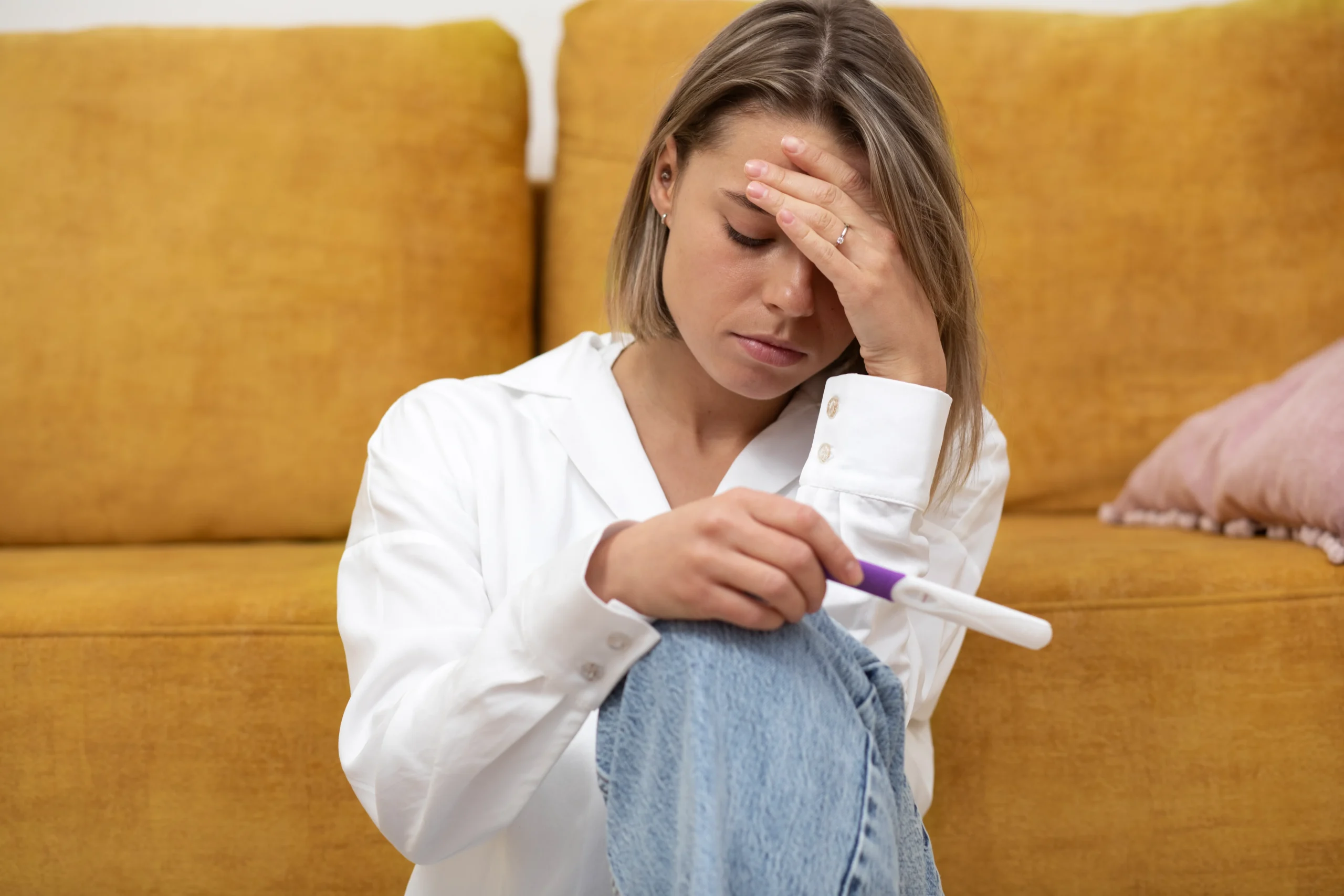
Female infertility is a deeply personal and often emotionally challenging journey for many women and couples. Understanding what may be affecting your ability to conceive is the first step toward finding the right support and care. This guide explains female infertility, including common causes, warning signs, and the latest treatment options available.
What is Female Infertility?
Female infertility refers to the inability to conceive after 12 months of regular, unprotected intercourse (or 6 months if you are over 35). It can result from a range of biological, hormonal, or lifestyle factors. Identifying the root reasons for female infertility is essential for effective diagnosis and treatment.
Common Female Infertility Causes
Understanding the most common female infertility causes can help you recognize potential issues early. Some of the leading factors include:
1. Ovulation Disorders
Problems with ovulation are among the most frequent female infertility causes. Conditions like PCOS (Polycystic Ovary Syndrome) can disrupt hormone levels and prevent the release of eggs.
2. Fallopian Tube Damage
Blocked or damaged fallopian tubes can prevent sperm from reaching the egg. This may occur due to infections, pelvic inflammatory disease, or prior surgeries.
3. Endometriosis
Endometriosis causes tissue similar to the uterine lining to grow outside the uterus, affecting reproductive organs and leading to infertility.
4. Uterine or Cervical Issues
Fibroids, polyps, or abnormalities in the uterus can interfere with implantation, making them important female infertility causes to evaluate.
5. Age-Related Factors
As women age, egg quality and quantity decline, which is one of the natural reasons for female infertility.
6. Lifestyle Factors
Smoking, excessive alcohol intake, stress, and obesity can negatively impact fertility and are often overlooked female infertility causes.
Female Infertility Symptoms to Watch For
Recognizing female infertility symptoms early can help you seek timely care. While infertility itself may not always present obvious signs, some symptoms include:
- Irregular or absent menstrual cycles
- Painful periods or pelvic pain
- Hormonal imbalances (acne, hair growth, weight changes)
- Recurrent miscarriages
These female infertility symptoms may indicate underlying conditions affecting reproductive health. If you notice any of these, it’s important to consult a specialist.
How is Female Infertility Diagnosed?
Diagnosis typically involves a combination of medical history, physical examination, and tests such as:
- Blood tests to assess hormone levels
- Ultrasound scans to evaluate reproductive organs
- Ovulation tracking
- Hysterosalpingography (HSG) to check fallopian tubes
Early diagnosis helps determine the most effective female infertility treatment approach.
Female Infertility Treatment Options
The good news is that many cases of female infertility can be successfully treated. The right female infertility treatment depends on the underlying cause.
1. Medications
Fertility drugs can help regulate ovulation and improve egg production. This is often the first step in female infertility treatment.
2. Lifestyle Modifications
Improving diet, maintaining a healthy weight, reducing stress, and quitting smoking can enhance fertility outcomes.
3. Surgical Treatments
Procedures may be recommended to remove fibroids, treat endometriosis, or repair fallopian tubes.
4. Assisted Reproductive Techniques (ART)
Advanced female infertility treatment options include:
- Intrauterine insemination (IUI)
- In vitro fertilization (IVF)
These treatments are particularly effective when other methods have not worked.
When Should You See a Doctor?
You should consider consulting a specialist if:
- You have been trying to conceive for over a year
- You are over 35 and trying for 6 months without success
- You have known reproductive health issues
- You experience persistent female infertility symptoms
Early consultation improves your chances of successful female infertility treatment.
You can explore expert care options through fertility consultation services to understand your condition better.
Emotional Impact of Female Infertility
Dealing with female infertility can be emotionally overwhelming. Feelings of stress, anxiety, or frustration are common. It is important to:
- Seek emotional support from family or counselors
- Stay informed about your condition
- Maintain open communication with your doctor
Remember, you are not alone—many women face similar challenges, and effective solutions are available.
Preventive Tips for Better Fertility
While not all female infertility causes can be prevented, certain lifestyle choices can improve reproductive health:
- Maintain a healthy weight
- Eat a balanced diet
- Manage stress levels
- Avoid smoking and alcohol
- Track menstrual cycles regularly
Understanding the reasons for female infertility and addressing them early can make a significant difference.
Conclusion
Female infertility is a complex but treatable condition. By understanding female infertility causes, recognizing female infertility symptoms, and seeking timely care, many women can achieve successful outcomes. With advancements in female infertility treatment, there is hope and support available at every stage of your journey.
FAQs
1. What are the main female infertility causes?
The most common female infertility causes include ovulation disorders, fallopian tube damage, endometriosis, and age-related decline in fertility.
2. What are common female infertility symptoms?
Common female infertility symptoms include irregular periods, hormonal imbalances, pelvic pain, and difficulty conceiving.
3. Can female infertility be treated?
Yes, many cases of female infertility can be managed with medications, lifestyle changes, or advanced female infertility treatment options like IVF.
4. When should I seek help for infertility?
If you have been trying for a year (or 6 months if over 35), it’s advisable to consult a specialist.
5. What are the reasons for female infertility?
The reasons for female infertility can range from hormonal imbalances and medical conditions to lifestyle factors.
6. Is stress a cause of female infertility?
While not a direct cause, stress can impact hormone balance and contribute to fertility issues.
Why Choose Us?
Choose Dr. Shernaz Patel for compassionate, patient-first women’s healthcare tailored to every stage of life—from adolescence to pregnancy and beyond. With a focus on personalized care, clear guidance, and a comfortable environment, we ensure you feel informed and supported at every step. Whether it’s routine check-ups, fertility care, or specialized treatment, we’re here with expertise and transparency—call 9136454451 or visit www.drshernaz.in to book your consultation.
Citations
https://www.who.int/news-room/fact-sheets/detail/infertility
https://www.nhs.uk/conditions/infertility/
https://www.cdc.gov/reproductivehealth/infertility/index.htm