
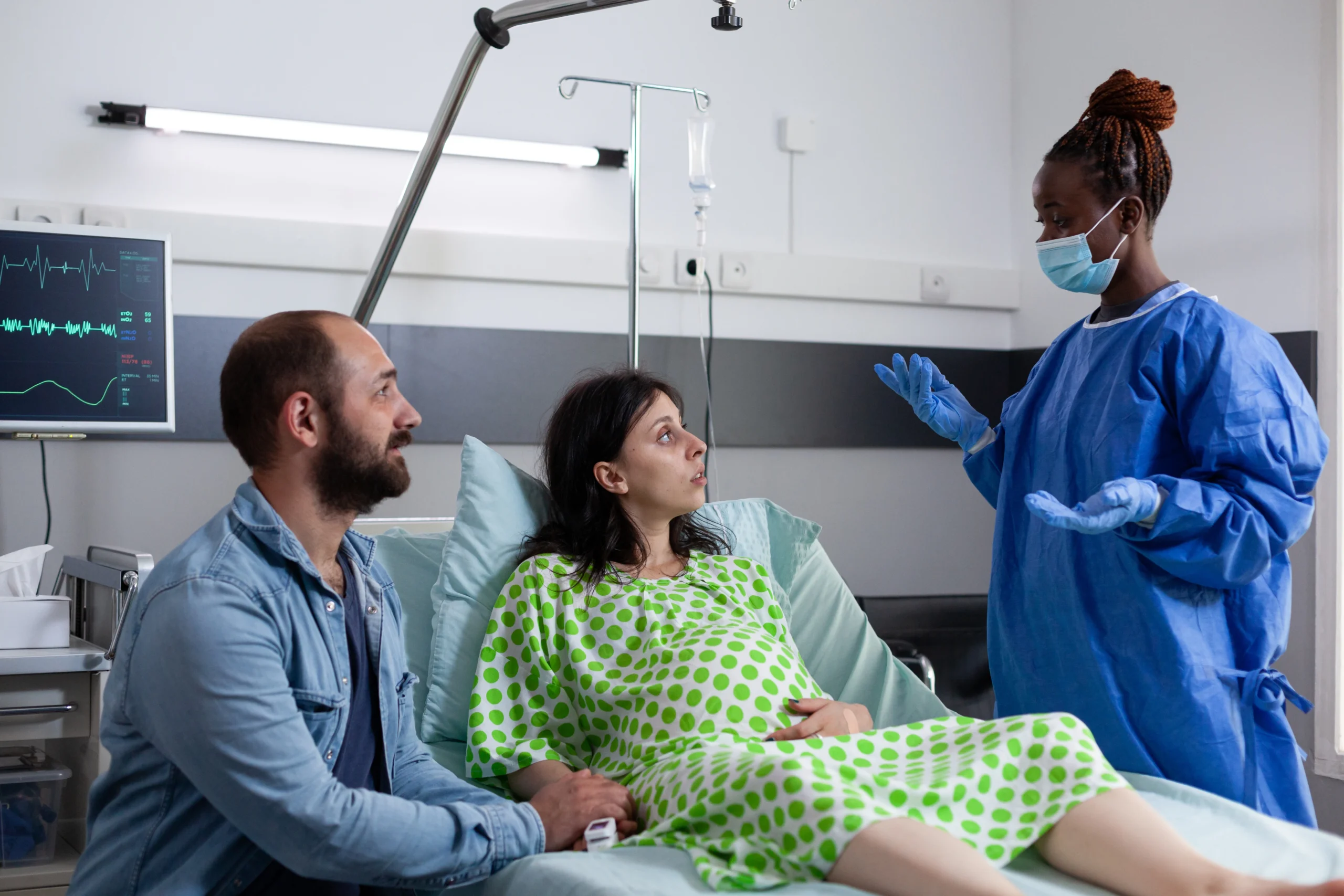
Normal Delivery vs C-Section: Understanding the Differences

One of the most common questions expecting mothers ask — especially as their due date approaches — is whether to opt for a normal delivery or a C-section. For some women, the choice is made for them by clinical necessity. For others, it feels like a decision they need to make, often without enough clear information.

The honest answer is: there is no universally “better” option. The right delivery method is the one that is safest for you and your baby, given your specific medical situation. What every mother deserves, however, is a clear understanding of what each involves — so this guide breaks it down without bias.

What Is Normal Delivery (Vaginal Delivery)?

Normal delivery, also called vaginal delivery, is the natural process through which a baby is born through the birth canal. The uterus contracts during labour, the cervix gradually dilates, and the baby moves downward and out through the vagina.

This is the most common form of childbirth worldwide and is the default recommended method for low-risk pregnancies. Labour can begin naturally or be induced medically, and pain relief options — including epidural anaesthesia — are available.

Normal Delivery Benefits

  • Faster recovery: Most women are discharged within 1–2 days and return to daily activities within 1–2 weeks
  • No surgical risks: No incision, no anaesthesia-related complications, no surgical site infection risk
  • Beneficial for baby’s lungs: Passage through the birth canal helps clear amniotic fluid from the lungs, reducing breathing difficulties in newborns
  • Gut microbiome advantage: Babies born vaginally are exposed to the mother’s beneficial bacteria, which supports early immune system development
  • Lower cost: Vaginal delivery is significantly less expensive than a C-section in both public and private hospitals
  • Hormonal benefits: Natural labour triggers oxytocin release, which supports uterine contraction, milk production, and mother-infant bonding
  • Better for future pregnancies: No uterine scar means fewer complications in subsequent pregnancies

Potential Challenges of Normal Delivery

  • Labour pain can be prolonged and intense
  • Risk of perineal tearing, which may require stitches
  • Unpredictable timing — labour may progress slowly or require medical intervention
  • In some cases, an emergency C-section may still become necessary

What Is a C-Section (Caesarean Section)?

A C-section delivery is a surgical procedure in which the baby is delivered through an incision made in the mother’s abdomen and uterus. It is performed under regional (spinal or epidural) or general anaesthesia and typically takes 45–60 minutes.

C-sections can be planned (elective) — scheduled in advance for a known medical reason — or emergency — performed urgently when complications arise during labour.

When Is a C-Section Necessary?

A C-section is medically indicated in the following situations:

  • Breech or transverse position — baby is not head-down near delivery
  • Placenta previa — placenta is covering the cervix, blocking the birth canal
  • Placental abruption — placenta separates from the uterine wall prematurely
  • Fetal distress — significant drop in baby’s heart rate during labour
  • Multiple pregnancies — twins or higher-order multiples in complex positions
  • Obstructed labour — labour fails to progress despite adequate contractions
  • Previous uterine surgery — certain types of prior C-sections or uterine procedures
  • High-risk pregnancy conditions — severe preeclampsia, active infections, or medical conditions in the mother

C-Section Recovery Time and Risks

C-section recovery time is longer than that of a vaginal birth. Here is what to expect:

  • Hospital stay: 3–5 days (compared to 1–2 days for normal delivery)
  • Return to light activity: 4–6 weeks
  • Full recovery: 6–8 weeks
  • Restrictions: no heavy lifting, driving, or strenuous activity during recovery

Risks associated with C-section delivery include:

  • Surgical site infection
  • Excessive bleeding requiring transfusion
  • Injury to surrounding organs (bladder, bowel)
  • Adverse reaction to anaesthesia
  • Blood clots (deep vein thrombosis)
  • Increased risk in future pregnancies: Repeated C-sections raise the risk of placenta accreta, uterine rupture, and complications with scar tissue
  • Babies born by elective C-section may have a slightly higher risk of transient breathing difficulties in the first few hours

Normal Delivery vs C-Section: Side-by-Side Comparison

Factor Normal Delivery C-Section
Procedure Natural, through birth canal Surgical incision in abdomen
Anaesthesia Optional (epidural available) Required (spinal/general)
Hospital stay 1–2 days 3–5 days
Recovery time 1–2 weeks 6–8 weeks
Surgical risks None Infection, bleeding, organ injury
Pain during labour Yes — manageable with options Minimal during surgery
Baby’s lung clearance Natural — better fluid expulsion Fluid may remain temporarily
Baby’s microbiome Advantageous bacterial exposure Less initial exposure
Cost Lower Higher
Future pregnancies Fewer complications Each C-section adds risk
Recommended for Low to moderate risk pregnancies High-risk or emergency situations

The C-Section Rate in India: What the Numbers Say

India’s C-section rate has risen sharply in recent years. According to National Family Health Survey data, 47.4% of deliveries in private hospitals are now performed by C-section — compared to just 14.3% in public hospitals. Nationally, C-sections account for approximately 27.4% of all births, up from 12% in the early 2000s.

The WHO recommends that C-section rates above 10–15% at the population level do not necessarily improve maternal or neonatal outcomes. This does not mean C-sections are bad — it means they should be performed when medically justified, not as a default.

If you are being advised a C-section in a planned (elective) context, it is entirely reasonable — and encouraged — to ask your obstetrician for a clear clinical rationale.

What About VBAC — Vaginal Birth After C-Section?

If you have had a previous C-section and are planning another pregnancy, a vaginal birth after C-section (VBAC) may be possible for many women, depending on the type of uterine incision and other clinical factors. VBAC is associated with faster recovery and fewer complications than a repeat C-section — but it requires careful evaluation and close monitoring during labour. Discuss this with your obstetrician well in advance of your due date.

Which Should You Choose?

The decision between normal delivery vs C-section is not a lifestyle choice — it is a medical one, made in partnership with your obstetrician based on your clinical picture.

If your pregnancy is uncomplicated and your baby is well-positioned, a vaginal delivery is almost always the recommended path. If there are medical indications — fetal position, placental problems, maternal health conditions — a C-section is the right intervention.

What matters is that you are informed, your concerns are heard, and your delivery plan is built around safety — not convenience or anxiety.

Dr. Shernaz Damkevala (Dastur), obstetrician in Malad West, Mumbai, provides personalised maternity care from pre-conception through delivery and beyond. Whether you are navigating a low-risk or high-risk pregnancy, explore maternity care services here.

For newborn care after delivery, explore Neonatal Care and NICU services available at the clinic.

📍 P4, Ahura Nursing Home, Chunilal Giridharilal Marg, Malad West, Mumbai – 400064 📞 Book a Maternity Consultation

Also read: Gynaecology Services | Fertility Care

FAQs 

Q1. Is normal delivery safer than C-section?

A: For uncomplicated pregnancies, yes — normal delivery carries fewer surgical risks and offers faster recovery. A C-section is safer when specific medical indications are present.

Q2. How long does it take to recover from a C-section?

A: Most women need 6–8 weeks for full recovery. Hospital discharge is typically after 3–5 days, with restrictions on driving and heavy activity for at least 4–6 weeks.

Q3. How long does recovery take after normal delivery?

A: Most women recover within 1–2 weeks for uncomplicated vaginal births. Hospital discharge is usually within 1–2 days.

Q4. Can I choose to have a C-section without a medical reason?

A: While possible in some private settings, it is not medically recommended without a clinical indication. The risks of surgery, longer recovery, and complications in future pregnancies should be carefully discussed with your obstetrician.

Q5. What are the risks of a C-section for the baby?

A: Babies born by elective C-section may have a slightly higher risk of temporary breathing difficulties. They also miss the beneficial bacterial exposure from the birth canal, which plays a role in early immune development.

Q6. Does normal delivery affect the baby’s brain development?

A: Research does not show any negative effect on brain development from vaginal delivery. In fact, the hormonal process of labour may support neonatal neurological adaptation.

Q7. Can I have a normal delivery after a previous C-section?

A: In many cases, yes. A VBAC (Vaginal Birth After C-Section) is possible depending on the type of prior incision, the reason for the previous C-section, and your current pregnancy’s specifics. Discuss eligibility with your obstetrician.

Q8. Why is the C-section rate so high in private hospitals in India?

A: NFHS-5 data shows 47.4% of private hospital births in India are by C-section. Factors include fear of labour pain, scheduling convenience, financial incentives, and sometimes, inadequate shared decision-making. Informed patients make better decisions — always ask for the clinical reason.

Q9. At what stage of pregnancy is the delivery method decided?

A: Ideally discussed in the third trimester (after 32–34 weeks), though a planned C-section may be scheduled as early as 37–39 weeks. Emergency decisions can occur any time during labour.

Q10. Where can I discuss my delivery plan in Malad West, Mumbai?

A: Dr. Shernaz Damkevala (Dastur) offers maternity consultations including birth planning at Ahura Nursing Home, P4, Chunilal Giridharilal Marg, Malad West, Mumbai – 400064. Call 9136454451 to book.

CITATIONS & REFERENCES

  1. Observer Research Foundation — The C-Section Surge in India: Uncovering the Impact of Profit on Childbirth (April 2025) — https://www.orfonline.org/expert-speak/the-c-section-surge-in-india-uncovering-the-impact-of-profit-on-childbirth
  2. National Family Health Survey-5 (NFHS-5), 2019–21 — Government of India / Ministry of Health & Family Welfare
  3. Apollo Cradle — Normal Delivery vs C-Section: Key Differences Explained — https://www.apollocradle.com/blog/maternity/normal-vs-c-section-delivery
  4. Nanavati Max Hospital — C-Section vs Normal Delivery: Which One Is Right for You — https://www.nanavatimaxhospital.org/blogs/c-section-vs-normal-delivery
  5. Mayo Clinic — VBAC: Know the pros and cons (updated 2024–25) — https://www.mayoclinic.org/healthy-lifestyle/labor-and-delivery/in-depth/vbac/art-20044869
  6. Pandey AK et al. — Alarming Trends of Cesarean Section — Time to Rethink — JMIR Public Health, 2023 — https://www.ncbi.nlm.nih.gov/pmc/articles/PMC9972201/
  7. Omnicuris — C-section rates in India: Trends and regulatory audits — https://www.omnicuris.com/medshots/daily_updates/india-c-section-rates-four-fold-increase
  8. World Health Organization — WHO Statement on Caesarean Section Rates — https://www.who.int/reproductivehealth/publications/maternal_perinatal_health/cs-statement/en/
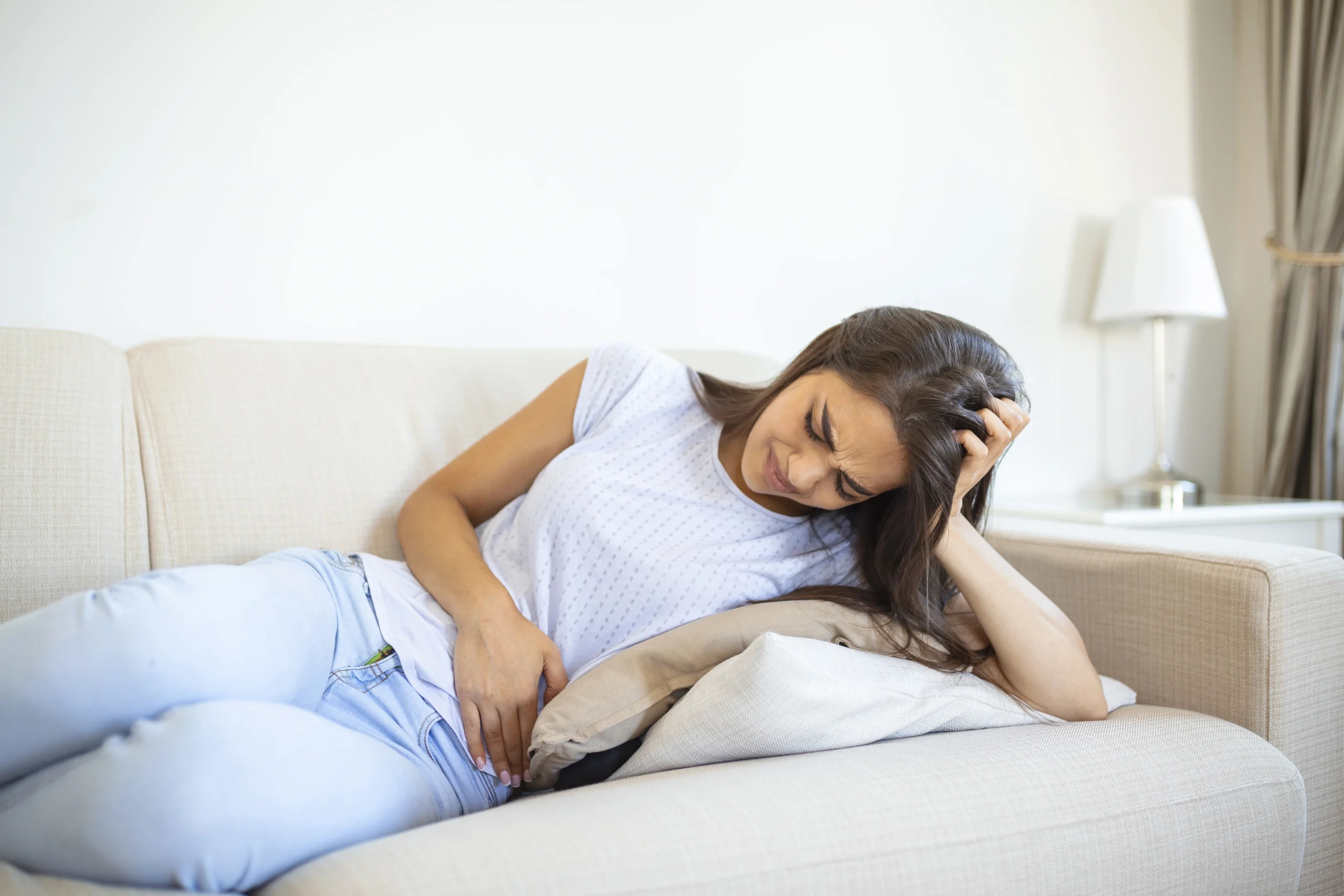
Pain During Periods: Normal Cramps or a Sign of Endometriosis?

For many women in India, pain during periods is simply part of the calendar. A few days of discomfort, some paracetamol, a hot water bottle — and then back to life. But for a significant number of women, the pain is far beyond manageable. It disrupts work, cancels plans, and quietly chips away at quality of life — month after month, year after year.

The question that rarely gets asked is: how much pain is actually normal?

The answer matters more than most women realise, because period pain that crosses a certain threshold can be one of the first signs of endometriosis — a chronic condition that affects approximately 42 million women in India and remains widely undiagnosed.

What Are Normal Period Cramps?

Medically, period cramps are called dysmenorrhea — and they are extremely common. During menstruation, the uterus contracts to shed its lining. These contractions can cause cramping that is entirely normal and expected.

Normal period pain typically looks like this:

  • Mild to moderate cramping in the lower abdomen
  • Pain that begins 1–2 days before bleeding and eases within 2–3 days
  • Discomfort that responds to over-the-counter pain relief (ibuprofen, mefenamic acid)
  • Pain that does not significantly interfere with daily activities
  • No worsening pattern — the intensity stays roughly the same cycle to cycle

Normal cramps are caused by prostaglandins — natural chemicals that trigger uterine contractions. Younger women and teenagers tend to experience more intense cramping, which often improves with age or after pregnancy.

If your pain fits this picture, it is most likely primary dysmenorrhea — painful periods without an underlying medical cause.

When Period Pain Is Not Normal

Here is where it gets critical, and where many women — and unfortunately, some doctors — get it wrong: severe, worsening, or disabling period pain is not normal, and it is not something to push through.

Pain that falls into the following category deserves medical evaluation:

  • Cramping so severe it requires you to miss work, school, or daily activities
  • Pain that is worsening cycle to cycle rather than staying consistent
  • Pelvic pain that does not stop when your period ends — pain that lingers throughout the month
  • Pain during or after sexual intercourse (dyspareunia)
  • Pain during bowel movements or urination, especially around your period
  • Heavy periods with large clots or bleeding that soaks through a pad or tampon in under an hour
  • Bloating, nausea, or fatigue that seems disproportionate to normal periods

This pattern — particularly the combination of severe cramping, pelvic pain outside of periods, and pain during sex — is a classic presentation of endometriosis.

What Is Endometriosis?

Endometriosis is a chronic gynaecological condition in which tissue similar to the uterine lining grows outside the uterus — on the ovaries, fallopian tubes, pelvic lining, and in some cases the bowel or bladder. Every month, this tissue responds to hormonal signals the same way the uterine lining does: it thickens, breaks down — but has nowhere to go. The result is inflammation, scarring, and adhesions (bands of fibrous tissue that can cause organs to stick together).

This cyclical inflammation is what drives the pain — and because it is happening outside the uterus, it does not behave like typical period pain. It is deeper, broader, and does not resolve when bleeding stops.

Endometriosis Symptoms to Know

The most common endometriosis symptoms include:

  • Severe dysmenorrhea — cramping that is significantly worse than what pain medication can manage
  • Chronic pelvic pain — dull, aching pain in the lower abdomen that persists between cycles
  • Painful intercourse — deep pain during or after sex, especially in certain positions
  • Painful bowel movements or urination during periods
  • Heavy or irregular bleeding — sometimes with large clots
  • Bloating — sometimes called “endo belly,” disproportionate abdominal swelling
  • Fatigue — overwhelming tiredness that feels unrelated to activity
  • Difficulty conceiving — endometriosis is one of the leading causes of infertility in women

It is important to note that pain severity does not always match disease severity. Some women with extensive endometriosis have mild symptoms; others with minimal disease have debilitating pain. This is one reason diagnosis is so frequently delayed.

Period Pain vs Endometriosis: A Quick Comparison

Feature Normal Period Cramps Endometriosis
When pain starts 1–2 days before period Before, during, and between periods
Pain location Lower abdomen Abdomen, pelvis, back, legs
Response to painkillers Usually effective Often inadequate
Pain during sex No Common
Pain during bowel movements No Common around period
Worsens over time No Yes, progressive
Impact on daily life Mild to moderate Significant disruption
Associated with infertility No Yes

Endometriosis in India: A Delayed Diagnosis Crisis

Endometriosis in India is vastly underdiagnosed. According to the ICMR-National Institute for Research in Reproductive and Child Health, approximately 42 million Indian women are affected — representing nearly 25% of the global burden. Despite this, the average time to diagnosis in India is 7 to 10 years from the onset of symptoms.

The reason is not a lack of women seeking help — it is the normalisation of period pain. Women are routinely told that severe cramps are just part of being a woman. Painkillers are prescribed. The conversation ends. Years pass.

This delay has real consequences: endometriosis is a progressive condition. The longer it goes untreated, the more scarring, adhesions, and damage accumulate — and the harder it becomes to manage, including for fertility.

How Is Endometriosis Diagnosed?

Endometriosis cannot be diagnosed through a standard blood test or basic ultrasound alone. A proper evaluation includes:

  • Detailed symptom history — a thorough discussion of your pain pattern, cycle, and associated symptoms
  • Pelvic examination — to check for tenderness, nodules, or organ displacement
  • Transvaginal ultrasound — can detect endometriomas (ovarian cysts caused by endometriosis), though it may miss superficial lesions
  • MRI — provides more detailed imaging of deep infiltrating endometriosis
  • Laparoscopy — the gold standard for definitive diagnosis; a minimally invasive surgical procedure that allows direct visualisation and biopsy of endometrial tissue

Endometriosis and Fertility

One of the most significant concerns with delayed diagnosis is its impact on endometriosis and fertility. The condition can damage the ovaries, block the fallopian tubes, and create an inflammatory environment that affects egg quality and implantation. It is estimated that 30–50% of women with endometriosis experience some degree of fertility challenge.

Early diagnosis and appropriate management — whether hormonal, surgical, or through assisted reproduction — can meaningfully improve outcomes. If you are trying to conceive and suspect endometriosis, do not wait. An early fertility assessment changes the trajectory. Explore fertility consultation at Dr. Shernaz’s clinic if you have concerns.

When to See a Gynaecologist

See a specialist if you experience any of the following:

  • Period pain that regularly prevents you from functioning normally
  • Pain that has worsened over the last 3–6 months
  • Pelvic pain outside of your period
  • Pain during sex or bowel movements
  • Heavy bleeding with large clots
  • Difficulty conceiving after 6–12 months of trying

You deserve more than being told to manage with painkillers. A proper evaluation by a gynaecologist can distinguish normal period cramps from endometriosis — and give you a clear path forward.

Dr. Shernaz Damkevala (Dastur) provides comprehensive gynaecological care including assessment and management of painful periods and endometriosis at her clinic in Malad West, Mumbai. If PCOS is also a concern alongside period pain, learn about PCOS/PMOS management here.

📍 P4, Ahura Nursing Home, Chunilal Giridharilal Marg, Malad West, Mumbai – 400064 📞 Book an Appointment

Also explore: Maternity Care | Fertility Services | Neonatal Care

FAQs 

Q1. How do I know if my period pain is normal?

A: Normal cramps are mild to moderate, begin just before your period, ease within 2–3 days, and respond to standard painkillers. Pain that is severe, worsening, or disrupts daily life is not normal and needs evaluation.

Q2. What does endometriosis pain feel like?

A: It often feels like deep, severe cramping that extends to the lower back or legs, continues outside the period, and may include pain during sex or bowel movements. It typically does not respond well to standard pain relief.

Q3. Can endometriosis be detected on an ultrasound?

A: A transvaginal ultrasound can detect endometriomas (cysts on the ovaries) but may miss other lesions. An MRI or laparoscopy is needed for a more complete picture.

Q4. Is endometriosis common in India?

A: Yes. Approximately 42 million women in India are estimated to have endometriosis — nearly 1 in 10 women of reproductive age. India carries about 25% of the global burden of the condition.

Q5. How long does endometriosis take to diagnose in India?

A: On average, 7 to 10 years from the onset of symptoms — largely because severe period pain is frequently dismissed as normal.

Q6. Can endometriosis affect fertility?

A: Yes. It is one of the leading causes of infertility in women. Early diagnosis and treatment significantly improve fertility outcomes.

Q7. What is the treatment for endometriosis?

A: Treatment depends on severity and goals (pain relief vs. fertility). Options include hormonal medications (oral contraceptives, progestins), pain management, and surgery (laparoscopy to remove lesions). There is currently no cure, but symptoms can be effectively managed.

Q8. At what age does endometriosis typically start?

A: It can begin from the first menstrual period (menarche), typically in adolescence or early 20s, and persists through menopause.

Q9. Is severe period pain always endometriosis?

A: Not always. Other causes include adenomyosis, fibroids, PCOS/PMOS, or pelvic inflammatory disease. A proper gynaecological evaluation is needed to identify the underlying cause.

Q10. Where can I get evaluated for endometriosis in Malad West, Mumbai?

A: Dr. Shernaz Damkevala (Dastur) offers gynaecological evaluation including assessment for endometriosis at Ahura Nursing Home, P4, Chunilal Giridharilal Marg, Malad West, Mumbai – 400064. Call 9136454451 to book.

CITATIONS & REFERENCES

  1. World Health Organization — Endometriosis Fact Sheet (updated October 2025) — https://www.who.int/news-room/fact-sheets/detail/endometriosis 
  2. ICMR-NIRRCH — Cited in Neotia Getwel Health: Endometriosis in India: What Every Woman Needs to Know — https://neotiagetwelsiliguri.com/blog-details/endometriosis-in-india-what-every-woman-needs-to-know-about-causes-symptoms-treatment
  3. India TV News — The pain women keep being told to ignore: Why pelvic pain is not always endometriosis (October 2025) — https://www.indiatvnews.com/health/pelvic-pain-endometriosis-india-2025-2025-10-28-1014720
  4. Medindia — Endometriosis Is Not Just Period Pain, It Affects The Whole Body (March 2026) — https://www.medindia.net/news/healthwatch/endometriosis-is-not-just-a-pelvic-disease-222866-1.htm
  5. As-Sanie S et al. — Endometriosis: A Review — JAMA, July 2025 — doi:10.1001/jama.2025.2975
  6. Simancas-Racines D et al. — Endometriosis as a Systemic and Complex Disease — Int J Mol Sci, January 2026 — doi:10.3390/ijms27020908